
Keeping small pets active is one of the best investments you can make in their health, temperament, and longevity. Hamsters, guinea pigs, and ferrets all have different natural behaviors and energy levels, so a one-size-fits-all approach won’t work. Practical enrichment, the right equipment, and consistent routines are key.
This guide gives clear, actionable ideas to keep your small mammals moving, mentally stimulated, and safe. Use the tips below to set up durable daily plans and habitat upgrades that encourage natural activity without stress.
Hamster: Design a cage that encourages movement
Hamsters need vertical and horizontal space to climb, burrow, and explore. A single-level, cramped enclosure will reduce activity and contribute to boredom-related behaviors like bar chewing. When planning or upgrading a habitat, prioritize multilevel cages, tunnels, platforms, and easy-to-clean substrate areas so you can rotate toys and challenges.
For ready-made options and ideas on suitable habitats, check products like Hamster Cages that focus on size, ventilation, and modular setups appropriate for Syrian and dwarf hamsters.
Hamster: Make wheels and running options safe and enticing
Running is a natural outlet—many hamsters cover several miles per night in captivity if given the chance. Provide a solid-surface wheel sized appropriately (no mesh or wire that can trap feet) and place it in a quieter corner of the enclosure to encourage use. Supplement the wheel with changeable routes: tubes, ramps, and low platforms that force short sprints and climbs.
Durable, well-sized wheels and related equipment can be found in the Hamster Exercise Wheels collection, which highlights safe designs for different hamster species.
Hamster: Rotate toys and create foraging challenges
Hamsters are food-driven explorers. Rotate toys and hide food in puzzle feeders, buried under a shallow layer of substrate, or inside safe chewable containers. Use chew toys, cardboard tubes, and treat-dispensing items to turn mealtimes into mental workouts. Supervised playtime outside the cage in a secure playpen also helps burn energy.
For a variety of enrichment options you can swap out regularly, browse Hamster Toys that encourage chewing, climbing, and problem-solving.
Hamster: Provide comfy hideouts and appropriate bedding
Active hamsters still need safe retreats to rest. Place small hideouts at multiple levels in the cage so they can sprint, stash food, and retreat. Use bedding that supports digging and nesting; avoid materials that are dusty or treated with fragrances. Change and replenish bedding regularly to keep areas fresh and inviting.
Consider hiding spots that double as enrichment: see options like Hamster Hideouts and pair them with suitable burrowing substrates for a more natural setup.
Guinea pig: Create open floor plans and encourage daily exercise
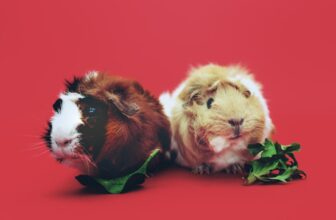
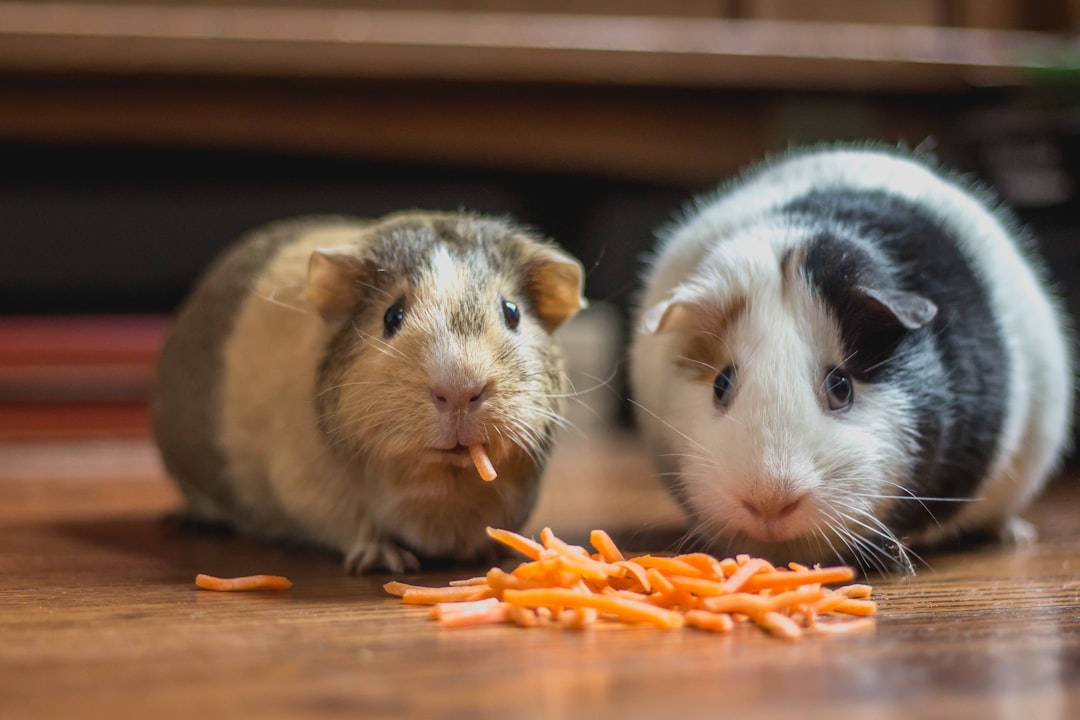
Guinea pigs are social, ground-dwelling grazers that need room to sprint, popcorn (jump), and explore. A long, secure enclosure with places to run, short tunnels, and multiple feeding stations prevents territorial guarding while promoting movement. Daily floor time outside the cage in a guinea-pig-proofed room or playpen gives valuable exercise and social interaction.
Look for items designed specifically to encourage active play in the Guinea Pig Toys selection—simple ramps, chewable toys, and gentle obstacles make playtime productive and safe.
Guinea pig: Hideouts, bedding, and grooming to support mobility
Guinea pigs feel secure with multiple hideouts where they can rest between bursts of activity. Soft, absorbent bedding helps maintain paw health and keeps feet dry and comfortable during active sessions. Regular grooming reduces mats and fur-related mobility issues, especially for long-haired breeds. Trim nails frequently and check feet for sore spots.
For comfortable retreats and habitat materials, consider Guinea Pig Hideouts and select bedding options from the Guinea Pig Bedding category; keep grooming supplies handy from Guinea Pig Grooming Supplies to maintain coat and nail health.
Ferret: Structured play, tunnels, and appropriate diet
Ferrets are high-energy, curious predators that need multiple daily play sessions and a safe environment with tunnels, hammocks, and puzzle feeders. Short, supervised free-roam periods in a ferret-proofed space let them express digging, chasing, and tunneling behaviors. Rotate toys and introduce new textures to keep their interest high.
Diet supports stamina—high-quality food formulated for ferrets helps maintain energy levels for play. See product options under Ferret Food to choose appropriate nutrition and plan portioned feeding that complements active routines.
Checklist: Quick ways to boost daily activity
- Provide an appropriately sized enclosure for species-specific movement.
- Install at least one safe wheel or running option for hamsters.
- Offer daily supervised floor/playpen time—short, frequent sessions work best.
- Rotate toys weekly and include foraging puzzles with meals.
- Supply multiple hideouts and soft bedding for rest between activity bursts.
- Groom regularly and trim nails to prevent mobility issues.
- Feed nutritionally balanced food and use treats to reward active behaviors.
- Check habitats for hazards (loose threads, gaps, toxic plants) before playtime.
FAQ
- How much daily exercise does a hamster need?
Hamsters are nocturnal and will exercise most at night; provide a quality wheel and daily supervised play sessions—aim for 20–60 minutes of active enrichment across the day and evening.
- Can guinea pigs share toys and hideouts?
Yes—guinea pigs are social and usually benefit from shared toys and multiple hideouts to avoid crowding. Provide several identical options to reduce competition.
- How do I ferret-proof a room for playtime?
Block small gaps, remove choking hazards and toxic items, hide electrical cords, secure furniture that could trap the ferret, and supervise all out-of-cage time.
- What treats are safe for these pets during training?
Use species-appropriate, small, low-fat treats. For hamsters and guinea pigs, fresh veggies and small commercial treats work; for ferrets, use high-protein treats. Always introduce new treats in moderation.
- How do I tell if a pet is getting enough exercise?
Signs of adequate activity include a healthy weight, clean coat, normal sleep cycles, and natural behaviors like hopping, running, or exploring. Lethargy, weight gain, or boredom behaviors indicate the need for more enrichment.
Practical takeaway: tailor habitats and daily routines to each species—provide safe running options and rotated enrichment for hamsters, long horizontal space and social toys for guinea pigs, and frequent supervised play, tunnels, and a high-protein diet for ferrets. Small, consistent steps make a big difference in keeping your pets active and healthy.