

What to Know Before Bringing Home an Exotic Pet
Bringing an exotic pet into your home can be rewarding but requires careful planning. Exotic species—birds, reptiles, ferrets, and small mammals—have specialized needs that differ from those of dogs and cats.
This guide gives practical, evidence-based steps to evaluate readiness, set up habitat, plan ongoing care, and reduce surprises. Use it as a checklist before you commit to a new companion.
1. Legal, ethical, and long-term commitment
Start by confirming local laws, permitting, and any homeowner or rental restrictions. Some exotic species require permits, fail to thrive in a typical household, or have specific transport and housing regulations. Beyond legality, consider long-term commitment: many birds and tortoises can live for decades, while some small mammals have shorter but still meaningful lifespans.
2. Research the species thoroughly
Not all exotics are the same. Learn about natural behavior, social needs, temperature and humidity ranges, activity cycles (nocturnal vs. diurnal), and common health problems. Talk to experienced keepers and a veterinarian who works with exotics. Make a pros/cons list comparing the daily care, expected costs, noise, and interaction levels of the species you’re considering.
3. Housing and habitat: size, safety, and placement
Housing must match the species’ physical and psychological needs. For small mammals that need secure enclosures and vertical climbing space, choose appropriate enclosures like quality Hamster Cages with chew-proof materials and escape-proof latches. Place the enclosure away from direct sunlight, drafts, and household hazards (open windows, exposed wires, toxic plants).
For birds, perching and flight space are essential—include varied perch types and sizes. Invest in durable, well-placed perches and avoid makeshift substitutes; a proper Pet Bird Perches setup reduces foot problems and stress.
4. Substrate, hygiene, and environmental control
Different species require specific bedding and substrates that affect health and cleanup. For small rodents and pocket pets, choose absorbent, low-dust materials and change them regularly to control odor and bacterial growth. Stock appropriate bedding before you bring your pet home—this avoids emergency last-minute substitutions that may harm respiratory or skin health. For species that need humidity or specialized lighting, plan for reliable equipment and backups.
Consider the ongoing workload: regular spot-cleaning, full substrate changes, and seasonal deep cleans. Good ventilation and consistent temperature control prevent many common problems.
5. Diet and nutrition: species-specific plans
Proper nutrition is essential and often species-specific. Research staple foods, supplements, and safe treats. For small mammals, choose balanced commercial diets formulated for the species and supplement with fresh produce when appropriate. Stock up with a reliable source of Hamster Food or species-specific feed before arrival to maintain consistency during the transition.
Avoid sudden diet switches; gradual changes reduce gastrointestinal stress. For birds, reptiles, and insectivores, identify safe feeder types and feeding schedules to replicate natural feeding patterns as closely as possible.
6. Enrichment: physical and mental well-being
Enrichment prevents boredom and behavior problems. Tailor toys and activities to natural behaviors—chewing and foraging for rodents, climbing and shredding for birds. Rotate toys and introduce problem-solving feeders or simple training sessions to keep your animal stimulated. For birds, invest in varied and safe playthings; high-quality Pet Bird Toys support beak exercise and cognitive engagement.
For nocturnal or crepuscular species, provide enrichment at appropriate times to avoid disrupting their natural rhythms.
7. Health care, illness prevention, and emergency planning
Identify a qualified exotic animal veterinarian before you bring the pet home and schedule an initial wellness exam. Exotics can hide illness until advanced stages; early vet partnerships are essential. Stock basic supplies and a first-aid kit appropriate for your species. For reptiles and other species that may need species-specific medications or treatments, be aware of the typical health tools and supplies available—shop for suitable Reptile Health Supplies if you keep reptiles, and discuss any supplements or topical treatments with your vet.
Develop an emergency plan: local emergency clinics that accept exotics, transport options, and a secondary caregiver who can look after your pet during travel or illness.
8. Handling, grooming, and training
Proper handling reduces stress and injury. Learn species-appropriate techniques before attempting hands-on interactions. Birds may need wing trimming, beak checks, and safe bathing; set up a regular grooming routine. Stock grooming aids and try short, calm sessions to build trust. Consider products designed for bird care—safe perches and grooming tools like those in Pet Bird Grooming Supplies.
Training basic cues and desensitization to carriers and carriers’ sounds reduces transport stress and simplifies veterinary visits.
9. Transport and safety outside the enclosure
Transport frequently becomes necessary for vet visits or travel. Choose a secure, species-appropriate carrier and practice short trips to acclimate your pet. For birds, a dedicated carrier reduces injury risk and escape. Consider a sturdy Bird Carrier, Portable Small Bird Parrot Parakeet Carrier for safe short- and medium-distance moves.
Also plan for in-home safety: block small escape routes, secure windows and balconies for birds, and supervise floor time for small mammals to avoid houseplants, cords, and other hazards.
Pre-adoption checklist
- Confirm local laws, permits, and housing rules.
- Vet identified and appointment scheduled.
- Proper enclosure purchased and set up (size, heating, lighting).
- Supplies stocked: bedding, food, grooming tools, and cleaning products. Example: stock reliable Hamster Bedding for small rodent setups.
- Enrichment plan with toys and rotation schedule; include species-specific items like Pet Bird Perches where appropriate.
- Emergency plan and trusted caregiver identified.
FAQ
Q: How do I pick the right exotic pet for my household?
A: Match the pet’s activity cycle, lifespan, noise level, and care needs to your lifestyle. Do deep research and talk to owners and vets.
Q: How much will an exotic pet cost over a year?
A: Costs vary by species but include initial setup (cage, lighting, habitat), recurring food and bedding, vet care, and replacement enrichment—budget for unexpected vet visits.
Q: Are exotic pets good for children?
A: Some species tolerate supervised interaction with children; others are fragile or stressed by handling. Consider the child’s age, maturity, and willingness to participate in care before deciding.
Q: How do I find an exotic animal vet?
A: Ask local shelters, exotic pet communities, or online directories. Call clinics to confirm they routinely treat the species you plan to get.
Q: What if my landlord or condominium rules change?
A: Have a contingency plan: a trusted friend or boarding facility willing to take the pet temporarily. Know rehoming options that prioritize the animal’s welfare.
Conclusion: practical takeaway
Exotic pets can be excellent companions when the decision is informed and deliberate. Research species-specific needs, set up proper housing and enrichment, find a qualified vet, and prepare for ongoing costs and time commitments. A planned start prevents common problems and supports a healthy, long-term relationship between you and your new pet.
Products Featured in This Article
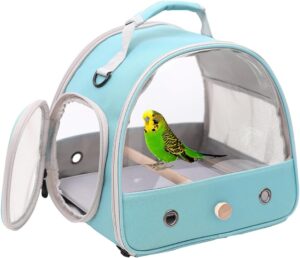
Bird Carrier, Portable Small Bird P…
Product description Bird travel carrier for parakeet, parrot, cockatiel, conure and budgies small birds Vet visit…