

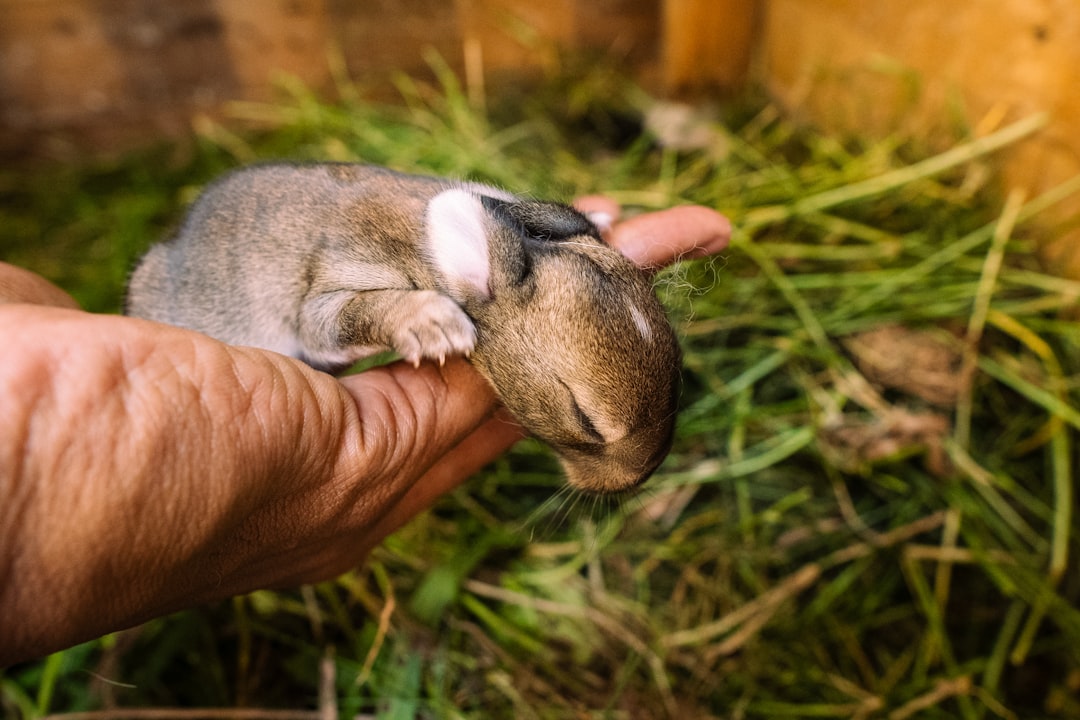
Essential Care Tips for Rabbits and Small Pets
Keeping rabbits and small pets healthy and happy requires attention to housing, nutrition, enrichment, grooming, and routine checks. This guide gives clear, practical steps you can apply today to improve daily care and prevent common problems.
Whether you’re new to small pets or looking to refine your routine, these tips focus on reliable daily practices and product categories to consider when upgrading supplies.
Know Your Pet’s Basic Needs
Rabbits, guinea pigs, hamsters and other small pets differ in social needs, diet, and environmental preferences. Rabbits and guinea pigs are social and benefit from companionship and larger exercise areas; hamsters are often solitary and need secure, escape-proof housing. Learn species-specific signals of stress (reduced appetite, hiding, excessive chewing) and respond quickly.
Housing and Enclosure Guidelines
Provide a secure, appropriately sized enclosure that allows natural behaviors: hopping and standing for rabbits, burrowing for guinea pigs, and climbing or tunneling for hamsters. For hamsters, choose a cage that balances ventilation with chew-proof materials and space for enrichment like tunnels and wheels. Consider reliable pre-made options when selecting the right setup: Hamster Cages.
Include hiding spots and layered areas in enclosures. Hideouts reduce stress and give pets private retreat areas. For small rodents and guinea pigs, specialized hideouts help mimic natural shelters: Hamster Hideouts and Guinea Pig Hideouts.
Bedding and Nesting: Comfort and Cleanliness
Choose bedding that is absorbent, low-dust, and safe if ingested. Deep, clean bedding supports burrowing and nesting behaviors and controls odor. For hamsters, use soft, unscented bedding that won’t pack down and allows for nesting: Hamster Bedding.
Guinea pigs need thicker, more absorbent bedding to manage their larger size and continuous hay-based diets. Regularly replace bedding to reduce ammonia buildup and respiratory risks: Guinea Pig Bedding.
Nutrition: Balanced Diets and Safe Treats
Diet is foundational. Rabbits and guinea pigs require a constant supply of high-quality grass hay, fresh water, and species-specific pellets. Hamsters benefit from a pellet or mix tailored to their life stage and species. Consider complete, dependable food options for small rodents: Hamster Food.
Treats are useful for training and bonding but should be given sparingly. Choose safe, healthy options and avoid sugary or fatty human foods. For quick rewards and enrichment, keep small-portion treats designed for hamsters: Hamster Treats.
Exercise and Enrichment
All small pets need daily exercise and mental stimulation to prevent boredom and obesity. Rabbits benefit from supervised time in a rabbit-proofed room or run. Guinea pigs enjoy floor time in a secure playpen with tunnels and hideouts. Hamsters need wheel access, chew toys, and varied tunnels. Rotate toys and rearrange the setup weekly to keep exploration novel.
Grooming, Health Checks, and Preventive Care
Regular grooming reduces matting and helps you monitor skin and coat health. Long-haired guinea pigs and some rabbit breeds need daily brushing; short-haired pets benefit from weekly grooming. Use species-appropriate grooming tools and products when needed. For guinea pig-specific grooming tools and supplies, consider reliable grooming options: Guinea Pig Grooming Supplies.
Perform a weekly health check: eyes clear and bright, nose dry and clean, teeth not overgrown, feet free of sores, and regular droppings present. If you notice sudden appetite loss, labored breathing, or abnormal droppings, contact a veterinarian experienced in exotics promptly.
Handling and Socialization
Handle pets gently and on their terms. Rabbits should be supported under the chest and hindquarters; avoid sudden lifts that cause kicking. Start socialization early with short, positive sessions, using treats to reward calm behavior. Hamsters, being nocturnal, often prefer evening interactions—adjust your routine to their active times.
Safety, Cleaning, and Habitat Maintenance
Pet-proof exercise areas: remove electrical cords, toxic plants, and small ingestible objects. Clean food and water bowls daily and deep-clean cages weekly. Use pet-safe disinfectants and rinse surfaces thoroughly. Keep habitats away from drafts and direct sun to maintain stable temperatures appropriate for each species.
Checklist: Daily, Weekly, Monthly
- Daily: fresh water, check food/hay, quick visual health check, 30–60 minutes supervised out-of-cage time for rabbits/guinea pigs.
- Weekly: full bedding spot-clean, change water bottles, brush long-haired pets, inspect nails and teeth.
- Monthly: deep-clean cages and accessories, rotate enrichment items, check supply stock (food, bedding, grooming tools).
- Always: have a safe hideout available and a quiet place to retreat.
FAQ
- How often should I clean my pet’s cage? Spot-clean daily; change bedding and do a deeper clean at least once weekly, more often for larger or multi-pet enclosures.
- What foods are dangerous for rabbits and guinea pigs? Avoid chocolate, processed human foods, onions, garlic, and high-sugar fruits in large amounts. Introduce new vegetables one at a time to monitor tolerance.
- Can hamsters live together? Most hamster species are solitary and should be housed alone to prevent fighting; research your hamster’s species before pairing.
- How do I choose the right bedding? Choose low-dust, absorbent, unscented bedding made for your species; avoid cedar or pine shavings for small mammals due to respiratory risks.
- How much exercise does a rabbit need? Rabbits need several hours of supervised free-roam or run time daily to maintain muscle and mental health.
Product Suggestions for Better Care
For hamsters, reliable food and enrichment items set the foundation for health and behavior. Start with a balanced diet and support it with toys and safe treats: Hamster Food and Hamster Treats.
Comfortable hiding places and bedding improve wellbeing and reduce stress. Consider species-tailored bedding and hideout solutions: Hamster Bedding and Guinea Pig Bedding.
Grooming supplies tailored to small mammals help keep coats healthy and ease routine care—especially for long-haired guinea pigs: Guinea Pig Grooming Supplies. Add hideouts to every habitat so pets can retreat when stressed: Hamster Hideouts and Guinea Pig Hideouts.
Conclusion
Good care for rabbits and small pets combines appropriate housing, balanced nutrition, daily interaction, enrichment, and routine health checks. Small, consistent actions—cleaning bedding regularly, offering suitable hideouts, and choosing proper food and grooming tools—prevent many issues and keep your pet thriving. Start with one improvement this week and build a routine that fits your pet’s needs.