


How to Prepare Your Home for a New Pet
Bringing a new pet home is exciting, but it also requires preparation. A smooth transition sets your pet up for good health and helps you build trust from day one.
This guide walks through the practical steps to make your home safe, comfortable, and welcoming—whether you’re adopting a hamster, guinea pig, reptile, or another small companion.
1. Choose and place the right habitat
Select a habitat that matches your pet’s species, size and activity level. For small rodents like hamsters, pick a cage with ample floor space, secure latches and good ventilation. If you need options or measurements to compare, check out Hamster Cages to find appropriate sizes and styles.
2. Prepare bedding and resting zones
Layer the habitat floor with absorbent, dust-free bedding to control odor and keep paws comfortable. Choose materials suitable for your species; avoid cedar or pine for small pets. For guinea pigs and other small herbivores, look for bedding formulated for comfort and odor control at Guinea Pig Bedding.
3. Stock up on the right food and feeding setup
Research your new pet’s diet before arrival. Herbivores need hay and fresh greens daily; omnivores and insectivores have different staple diets. For guinea pigs, unlimited good-quality hay is essential for digestion and dental wear—start with a proven supply from Guinea Pig Hay.
4. Add hiding places and enrichment
Pets need places to retreat to feel secure. Provide hideouts, tunnels and species-appropriate toys to reduce stress and encourage natural behavior. For guinea pigs, sturdy hideouts and shelters help them relax and bond with you; explore options at Guinea Pig Hideouts.
5. Grooming, hygiene and routine care
Plan for regular grooming: nail trims, fur brushing, tooth checks and occasional baths only when species-appropriate. Assemble basic supplies in advance so you can act quickly when needed. If you’re bringing home a guinea pig, have grooming tools and cleaning essentials ready from Guinea Pig Grooming Supplies to keep their coat and nails in good condition.
6. Reptile-specific habitat setup
Reptiles require secure, species-specific enclosures with controlled temperature gradients and hiding spots. Choose a terrarium that fits the adult size of your reptile and allows for heat and lighting installations; browse suitable options at Reptile Terrariums. Position enclosures away from drafts, direct sunlight and loud household traffic.
7. Reptile heating, lighting and humidity essentials
Many reptiles depend on controlled heat and UVB lighting to regulate metabolism and calcium absorption. Invest in a reliable fixture that offers appropriate heat and timing. For maintaining humidity and microclimate, a terrarium mister or humidifier can be critical—consider products like a reptile humidifier and a quality light fixture to create a proper thermal and humidity gradient:
- Repti Zoo 4L Reptile Humidifier — helps maintain stable humidity levels for tropical species.
- LUCKY HERP Reptile Light Fixture — a timed heat/UV setup for basking and day/night cycles.
8. Home safety and pet-proofing
Do a room-by-room sweep to remove hazards: secure electrical cords, store cleaning chemicals and small objects, close off gaps under furniture, and block access to houseplants that may be toxic. Keep trash, medicines and human foods out of reach. If the pet will roam supervised, create a dedicated, escape-proof area where they can explore safely.
9. Transport, first days and routine
Have a safe carrier ready for the trip home. Minimize noise and stress during transport; cover the carrier for shy pets. On arrival, place the carrier in the prepared habitat and allow the pet to explore gradually—avoid forcing interaction. Establish a feeding and cleaning routine from day one so your pet adapts quickly to consistent care.
Quick checklist before you bring your pet home
- Appropriate habitat set up and placed in a quiet, stable location
- Fresh, species-appropriate food and water dishes and supply of hay if needed
- Safe, absorbent bedding in place
- Hideouts, enrichment toys and a secure space for supervised exploration
- Grooming and cleaning supplies on hand
- Carrier ready for transport and a basic first-aid/health plan
- Home pet-proofed: cords secured, toxic items removed, escape routes blocked
FAQ
- How soon should I introduce my pet to family members?
Introduce one person at a time in a calm, quiet setting. Let the pet approach on their terms and avoid loud noises or sudden movements during the first 24–72 hours.
- How long does it take for a pet to settle in?
Most small pets show initial signs of settling within a few days, but full trust and routine can take weeks. Consistency, gentle handling and reliable feeding schedules speed the process.
- What should I do if my pet seems stressed after getting home?
Provide a quiet hiding spot, limit handling, keep routines consistent, and ensure temperature, bedding and feeding are correct. If stress persists, consult an experienced veterinarian or behaviorist.
- How often should I clean the habitat?
Spot-clean daily (remove soiled bedding and droppings) and perform a full bedding change and enclosure cleaning at least weekly, more often for larger or messier pets.
- What emergency items should I have at home?
Keep a transport carrier, clean towels, an emergency contact for your vet, and basic first-aid supplies suitable for your species. Know the signs that require veterinary attention.
Conclusion
Preparing your home thoughtfully reduces stress for both you and your new pet. Prioritize a safe, species-appropriate habitat, reliable food and bedding, enrichment and a steady routine. With the right setup and patience, your new companion will settle in and begin to thrive.
Products Featured in This Article
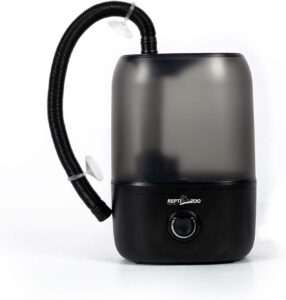
Repti Zoo 4L Reptile Humidifier, La…
Product description REPTI ZOO is a company which specialize in design and manufacturing of reptile supplies….
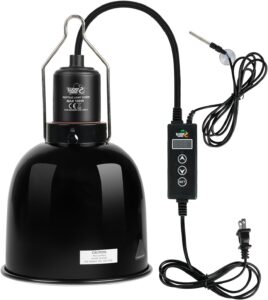
LUCKY HERP Reptile Light Fixture wi…
From the brand Reptile Heat Lamp Bulb Ceramic Heat Emitter Desert UVB 10.0 Reptile Bulb T5…