
How to Recognize Common Changes in Your Pet’s Behavior
Pets don’t speak our language, but they do communicate constantly through behavior. Noticing subtle shifts early gives you time to address discomfort, illness, stress, or environmental issues before they become serious.
This guide breaks down common behavioral changes across birds, small mammals, reptiles, and fish, explains what they may mean, and points to immediate steps you can take at home and when to contact a veterinarian.
Why behavior changes matter
Behavior is one of the first indicators that something in your pet’s world has changed — health, environment, social dynamics, or routine. Even small species can show clear signs when they’re unwell or stressed, and having the right supplies at hand helps you respond quickly. For example, if a hamster shows lethargy, checking basic supplies and health aids available in Hamster Health Supplies can be a practical first step while you arrange a vet visit.
Appetite and weight changes
Loss of appetite or sudden increases in hunger are common and important. Reduced eating can indicate dental pain, digestive issues, infection, or stress; increased eating could signal metabolic changes or boredom.
For birds, changes in how or where they eat may point to environmental issues or beak problems. Ensuring access to fresh, clean stations helps rule out simple causes — consider checking your bird’s feeding setup like quality Pet Bird Feeders & Waterers when appetite shifts occur.
Activity level and mobility
Watch for increases or decreases in activity. Lethargy, reluctance to climb, or limping indicate pain, injury, or systemic illness. Conversely, sudden bursts of hyperactivity or repetitive pacing can indicate stress, boredom, or neurological issues.
For small rodents, changes may relate to exercise opportunities. Ensuring a functional and safe wheel can reduce stress-driven behavior — appropriate options can be found among Hamster Exercise Wheels.
Grooming, coat and feather changes
Poor grooming, dull fur, patchy hair loss, or feather plucking are strong signals. Birds that stop preening may feel unwell or stressed; mammals with matted fur or over-groomed areas may have skin irritation, parasites, or anxiety.
Regular grooming checks and having the right tools help maintain coat and feather health — consider keeping useful items from the Pet Bird Grooming Supplies section for birds, and appropriate grooming items for other species.
Changes in vocalization and social behavior
New or increased vocalizing, sudden silence in usually chatty pets, or withdrawal from interaction are important. Birds may scream more when stressed or bored; a previously friendly rabbit or ferret that hides may be sick or frightened.
Social changes can also follow environmental shifts — a new pet, house guest, or rearranged furniture can trigger anxiety. Address environment first: enrich the space, provide hiding spots, and reintroduce interaction gradually.
Species-specific signals — birds
Birds have particular behaviors to watch: fluffed up feathers for long periods, head tucked to one side, wing droop, or spending more time on the cage floor can be signs of illness. Repetitive chewing of cage bars, abrupt aggression, or refusal to step up can indicate stress or unmet needs.
Providing appropriate perches helps comfort and encourages normal movement; if you suspect foot or balance issues, check perch variety and placement, such as options listed under Pet Bird Perches.
Species-specific signals — small mammals
Hamsters, guinea pigs, and ferrets display their distress differently. Hamsters that stop running, hide continuously, or show changes in stool can be ill. Guinea pigs often vocalize when in pain and may stop eating. Ferrets that sleep excessively, show vomiting, or have dark stools need prompt evaluation.
Basic comfort and hygiene influence behavior: fresh bedding, secure hideouts, and enrichment reduce stress-related changes. If bedding quality or nesting choices could be a factor, consider better options like Hamster Bedding.
Reptiles and fish — subtle but important signs
Reptiles and fish often show subtler behavior shifts. A reptile that basks less, hides constantly, or refuses food may be thermally stressed, dehydrated, or ill. Fish that hang at the surface, dart, or show abnormal breathing often indicate water quality or disease issues.
Maintaining species-appropriate environments and having targeted supplies helps you act quickly. Keep essential items on hand from reliable sources such as Reptile Health Supplies so you can stabilize an animal while arranging professional care.
Travel, transport and vet visits
Many behavior changes become more apparent during handling or travel. Stress during a carrier transfer can cause aggressive or fearful behavior not seen at home. Preparing a secure travel option reduces stress and injury risk for both pet and owner. For birds, a reliable carrier with a perch gives them a familiar spot and reduces movement anxiety — consider a sturdy Bird Carrier for safe trips to the vet.
When you anticipate a vet visit, minimize new stressors before travel: keep routines steady, limit loud noises, and bring familiar bedding or toys. Calm handling and a covered carrier can reduce visual stimuli.
Checklist: Quick actions when you notice behavior change
- Observe and note: what changed, when it started, and any other symptoms.
- Check basics: food, water, temperature, bedding, and cage cleanliness.
- Provide comfort: hideouts, perches, or familiar items to reduce stress.
- Isolate if contagious: separate new or sick animals to prevent spread.
- Have emergency transport ready: secure carrier and a vet appointment.
- Document changes with photos/video to show your vet.
FAQ
- Q: How long should I wait before calling a vet?
A: If your pet shows severe signs (difficulty breathing, bleeding, collapse, severe pain, or sudden paralysis) contact a vet immediately. For milder changes, monitor for 24–48 hours while checking basics; if no improvement or if multiple symptoms appear, seek professional care.
- Q: Can stress cause physical symptoms?
A: Yes. Chronic stress can reduce appetite, weaken immunity, cause over-grooming, or lead to behavioral changes. Address environmental factors and enrichment first, and consult your vet if symptoms persist.
- Q: My bird is plucking feathers — is that always medical?
No. Feather plucking can be medical (parasites, skin infection) or behavioral (boredom, stress). Rule out environmental and social causes, provide enrichment and varied perches, and see your avian vet for a full exam if it continues.
- Q: Are behavior changes reversible at home?
Some are: adjusting diet, environment, or enrichment resolves many issues. Others require vet treatment. Use observation, basic home adjustments, and consult a vet if there’s no improvement or if symptoms worsen.
- Q: What should I bring to the vet regarding behavior changes?
Bring a concise timeline, photos or video, details about diet and environment, and any recent changes (new pets, household routines). This information helps your vet diagnose faster.
Conclusion — practical takeaway
Behavior changes are your pet’s primary way of signaling needs. Observe patiently, check the basics (food, water, bedding, temperature, enrichment), and use appropriate supplies to stabilize comfort. If signs are severe, persistent, or involve breathing, bleeding, or collapse, seek veterinary care promptly. Keeping a calm routine and the right gear on hand makes early detection and effective response much easier.
Products Featured in This Article
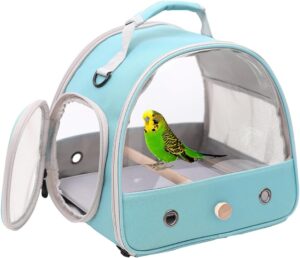
Bird Carrier, Portable Small Bird P…
Product description Bird travel carrier for parakeet, parrot, cockatiel, conure and budgies small birds Vet visit…