

How to Build a Stronger Bond With Your Pet Every Day
Building a stronger bond with your pet is less about grand gestures and more about consistent, thoughtful daily habits. Whether you have a bird, hamster, ferret, guinea pig, cat, or dog, predictable care and small moments of attention add up.
This guide gives practical, actionable steps you can use every day to deepen trust and connection. Each section focuses on a specific habit you can adopt and tools that support it.
Understand your pet’s language
Pets communicate with posture, vocalizations, and grooming behavior. Learn the signs of comfort and stress for your species: relaxed breathing, soft eyes, reciprocal grooming, or alert postures. For birds, for example, preening and relaxed feather position are often signs of calm — regular feather care is part of trust-building, so it helps to have appropriate grooming supplies. Consider adding or checking your supplies in Pet Bird Grooming Supplies to support healthy plumage and comfort.
Establish a predictable daily routine
Pets thrive on consistency. Set regular times for feeding, play, training, and quiet interaction. A predictable routine reduces anxiety and creates safe windows for bonding: your pet learns when to expect you and what behavior earns attention. For small pets like hamsters, consistent feeding is vital — choose a reliable diet and stick to meal times to reinforce trust. Browse appropriate options like Hamster Food when planning your routine.
Enrich through play and exploration
Play is the fastest way to build positive associations. Tailor activities to your pet’s natural instincts: birds need foraging, chewing, and perching; small rodents enjoy tunnels and wheels. Rotating toys and introducing new textures keeps curiosity high and prevents boredom. For bird owners, varied toys encourage safe chewing and manipulation—ideal for one-on-one play sessions. Look for durable, species-appropriate items like those in Pet Bird Toys to rotate weekly and keep interactions engaging.
Use positive training and reward-based interactions
Training is communication. Short, frequent sessions using treats or favorite items help pets understand expectations and accept guidance. Keep sessions under five minutes for small pets and repeat multiple times a day. Use high-value, species-appropriate rewards during training to mark successes and reinforce bonding. For small mammals such as hamsters, select small, nutritious incentives from Hamster Treats and reserve them for training or special cooperative behaviors.
Grooming, touch, and handling—make it a positive experience
Regular gentle handling teaches pets that touch equals safety. Grooming sessions should be calm: stroke in the direction of fur or feathers, speak softly, and watch for signs of discomfort. Some species need particular grooming tools; guinea pigs, for instance, benefit from gentle brushing and nail care. Keep grooming sessions short and reward calm behavior—if you need supplies, check targeted options like Guinea Pig Grooming Supplies.
Create safe spaces and encourage independence
Bonding isn’t constant contact. Pets also need secure spots where they can retreat. Provide hideouts, nesting areas, and elevated perches so your pet can rest and feel safe—this reduces stress and makes them more open to interaction when they choose it. For small rodents, enclosed hideouts are especially important; add comfortable shelters such as those in Hamster Hideouts to your pet’s environment so they can control when to interact.
Nutrition, routine treats, and mealtime bonding
Feeding time is a daily ritual that carries social value. Use mealtime to reinforce calm behavior: offer food by hand, use foraging feeders, or provide scatter feed to encourage natural searching. For birds, reliable feeders and waterers that support healthy eating help keep feeding times stress-free—consider options that make feeding consistent and approachable like Pet Bird Feeders & Waterers, which can support calmer, more predictable shared routines.
Travel, socialization, and vet visits—prepare together
Handling outside the home—car rides, carriers, vet visits—can be stressful. Introduce travel gear gradually: leave a carrier out as a safe den, encourage short sits inside with treats, and build up to longer trips. For bird owners, a purpose-built carrier that offers perching and visibility can turn an anxiety-inducing experience into a manageable one. If you need a practical option, consider something like the Bird Carrier, Portable Small Bird to practice gentle, positive travel steps.
Daily checklist: quick habits for steady connection
- Greet calmly and give your pet a few minutes to settle.
- Feed on a regular schedule and use one short training session.
- Offer 10–20 minutes of species-appropriate play or enrichment.
- Brush or gently handle for 2–5 minutes if your pet accepts it.
- Rotate one toy or enrichment item weekly to maintain novelty.
- Provide fresh water and check safe hideouts/resting areas.
FAQ
Q: How often should I play with my pet to build bonding?
A: Short daily sessions are best—10–20 minutes for active play, plus brief training or interaction windows several times a day. Consistency matters more than duration.
Q: My pet seems stressed during handling—what can I do?
A: Back off and let them retreat to a safe spot. Reintroduce touch slowly: sit nearby, offer treats, then progress to brief, non-invasive contact. Use grooming or handling tools slowly and reward calm responses.
Q: Are treats necessary for bonding?
A: Not strictly, but treats speed learning and create positive associations. Use them sparingly and choose species-appropriate options that fit your pet’s dietary needs.
Q: How do I bond with a shy or rescued pet?
A: Be patient. Establish routine, offer high-value treats, avoid forced contact, and let the pet initiate interactions. Enrichment and predictable care build trust over weeks to months.
Q: What if my pet bites or nips during bonding attempts?
A: Stop the interaction immediately, give space, and review body language cues that preceded the behavior. Redirect with toys or treats and consult behavior resources if bites persist.
Conclusion — the practical takeaway
Deepening your bond is a daily process built on consistency, respect for your pet’s signals, and small positive interactions. Use predictable routines, targeted enrichment, gentle handling, and reliable gear to create repeated positive experiences. Start with one small habit today—five minutes of focused play or a calm grooming session—and build from there.
Products Featured in This Article
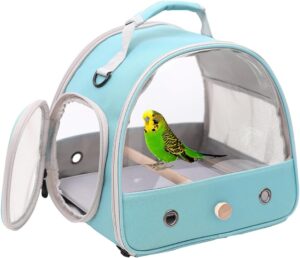
Bird Carrier, Portable Small Bird P…
Product description Bird travel carrier for parakeet, parrot, cockatiel, conure and budgies small birds Vet visit…