The Importance of Regular Grooming for Pet Health
Regular grooming is more than a cosmetic routine — it’s a frontline habit for preventing health problems, detecting issues early, and strengthening the bond between you and your pet. Whether you care for a guinea pig, hamster, reptile, or other small companion, consistent grooming keeps them comfortable and helps them thrive.
This guide explains why grooming matters, what to watch for, and practical routines and tools you can use at home to support pet health.
Why grooming matters for overall pet health
Grooming removes loose fur, dirt, and parasites, which lowers the risk of skin infection and irritation. It also supports thermoregulation — a matted coat prevents proper insulation and cooling. Importantly, grooming is a chance to inspect your pet for lumps, wounds, parasites, or dental problems before they become serious.
Skin and coat care: routine and tools
Brushing, trimming, and occasional bathing (only when species-appropriate) keep skin and coats healthy. Long-haired small mammals need daily attention to prevent tangles and mats. For guinea pigs, specific brushes, combs, and de-shedding tools designed to be gentle on delicate skin make a big difference — consider products from the Guinea Pig Grooming Supplies category when assembling a kit.
Dental and nail care: basics and frequency
Many small pets have continuously growing teeth or nails that require regular monitoring. Guinea pigs rely on abrasive foods to wear down incisors and molars; feeding an appropriate amount of high-quality hay supports natural dental wear and prevents painful overgrowth. Make sure unlimited access to good-quality options like those in the Guinea Pig Hay category is part of your grooming strategy.
Hygiene and bedding: preventing infections
Clean living spaces reduce bacterial and fungal growth that can cause skin and respiratory issues. Bedding choice affects dust levels, moisture control, and odor management; regular spot-cleaning plus full bedding changes on a schedule suited to your species keeps your pet healthy and comfortable. Use absorbent, low-dust options found under Guinea Pig Bedding to minimize risks.
Environment and enclosure upkeep
Grooming isn’t just hands-on care; it includes making the environment safe and supportive. For reptiles or other terrarium animals, the right habitat accessories help simulate natural conditions and reduce stress that can lead to poor shedding or skin problems. Regularly check and maintain heat, humidity, and substrate; upgrade worn or inappropriate items with products in the Reptile Habitat Accessories collection.
Enrichment, stress reduction, and grooming cooperation
Pets that are calm and stimulated are easier to groom. Hideouts and toys reduce stress and promote natural behaviors, which in turn make handling and grooming sessions more successful. For guinea pigs, strategically placed shelters encourage resting spots and reduce defensive reactions during handling — see options in Guinea Pig Hideouts.
Small-pet specifics: hamsters, guinea pigs, and reptiles
Each species has its own needs. Hamsters may need periodic nail trims and environmental cleaning, while guinea pigs require regular brushing, nail clipping, and dental checks. Reptiles need humidity management to shed properly. For hamsters, keep a small first-aid and grooming kit and check supplies such as specialized care items in the Hamster Health Supplies section. For reptiles that struggle with shedding, consider calibrated humidification tools like the Repti Zoo 4L Reptile Humidifier to improve skin health.
Grooming supplies and safe techniques
Assemble a basic grooming kit: soft brushes, a comb, small animal nail clippers, styptic powder (for accidental nicks), a soft towel, and species-appropriate shampoos (if required). Introduce tools slowly, reward calm behavior, and use short, consistent sessions. For enrichment that supports coat health and activity, add safe chews and play items, such as those in the Guinea Pig Toys collection.
Signs grooming can catch early
Regular handling during grooming helps you spot changes like:
- New lumps or bumps
- Hot, red, or flaky patches of skin
- Unusual odors from ears, mouth, or coat
- Overgrown nails or teeth
- Changes in weight, coat condition, or activity
Early detection allows for prompt veterinary consultation and simpler, less invasive treatments.
Practical grooming schedule by species
Establish a routine based on species and individual needs:
- Guinea pigs: brush short-haired weekly; long-haired daily. Check teeth weekly. Replace bedding 1–2× weekly depending on habitat size and population.
- Hamsters: spot clean cage daily, full clean weekly; nail checks monthly; handle briefly to inspect coat and teeth weekly.
- Reptiles: monitor shed cycles; maintain humidity and temperature daily; clean enclosures fully on a set schedule and replace worn habitat items with quality Reptile Habitat Accessories as needed.
Quick grooming checklist
- Brush coat as species-appropriate and remove mats.
- Inspect skin, ears, eyes, and mouth for abnormalities.
- Check and trim nails safely when necessary.
- Provide abrasive foods (e.g., quality hay) to support dental health.
- Maintain clean bedding and tidy enclosures.
- Offer hideouts and toys to reduce stress during handling.
- Keep a basic grooming kit accessible and clean.
When to seek professional help
If you find persistent wounds, sudden hair loss, bleeding you can’t control, severe overgrown teeth, or behavioral changes like hiding and loss of appetite, contact a veterinarian promptly. Grooming detects many issues, but it isn’t a substitute for professional diagnosis and treatment when problems appear serious.
FAQ
Q: How often should I bathe my small pet?
A: Most small mammals rarely need baths; unnecessary washing removes natural oils and can cause stress. Spot-clean dirty areas and bathe only when recommended by a vet or for species-specific needs.
Q: Are grooming tools the same for all pets?
A: No. Tools should match species, coat length, and size. Use small, gentle brushes for guinea pigs, tiny clippers and files for hamster nails, and specialized reptile humidity tools to aid shedding.
Q: My guinea pig’s teeth look long — what do I do?
A: Increase access to high-quality hay to encourage natural wear and schedule a vet visit to assess and, if necessary, trim overgrown teeth safely.
Q: Can I use human shampoo on my pet?
A: No. Human products can irritate small pets’ skin and disrupt their pH balance. Use species-appropriate products only on veterinary advice.
Q: How can I make grooming less stressful?
A: Build trust through short, calm sessions, use treats and positive reinforcement, provide a secure handling space, and ensure the environment is warm and quiet.
Conclusion — a simple takeaway
Regular grooming is a small time investment that yields big health returns: fewer infections, earlier problem detection, better dental health, and a happier pet. Create a predictable grooming routine, assemble species-appropriate tools, and use enrichment and enclosure choices—like quality bedding, hideouts, and toys—to support calm, cooperative sessions. Consistency keeps pets healthy and your relationship strong.
Products Featured in This Article
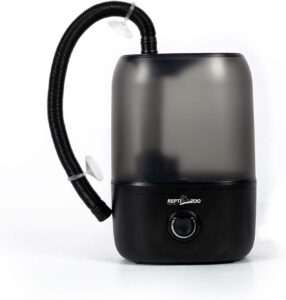
Repti Zoo 4L Reptile Humidifier, La…
Product description REPTI ZOO is a company which specialize in design and manufacturing of reptile supplies….