

How to Set Up a Healthy Freshwater Aquarium
Setting up a freshwater aquarium that stays healthy and attractive requires deliberate choices, patient cycling, and consistent maintenance. This guide walks you through practical steps—from selecting a tank location and the right equipment to cycling, planting, and stocking—so your fish and plants thrive.
Follow these steps in sequence, and use the short checklist to confirm you’ve covered essentials before adding livestock. The recommendations favor reliability and easy maintenance for hobbyists at any level.
1. Planning: size, location, and support
Decide how much space you can commit. A larger tank is more stable and forgiving; for beginners, 20–40 gallons is a solid starting point. Ensure the stand is level and able to support filled weight—water is heavy.
Consider a sturdy stand like the 10 Gallon Fish Tank Stand with Storage if you’re setting up a smaller aquarium and need organizational space for supplies and maintenance tools.
2. Equipment essentials: filter, heater, and media
Choose a reliable filter sized for your tank’s volume and stocking plans; a canister or hang-on-back filter provides good mechanical, biological and chemical filtration options. Always have replacement or supplemental media on hand to maintain filtration efficiency—consider high-quality inserts like the Penn-Plax Replacement Media (2 Pack) for chemical filtration and to keep water parameters stable.
For tropical freshwater species, a dependable heater with accurate thermostatic control is essential to maintain a steady temperature. A submersible heater such as the AQQA Submersible Aquarium Heater is a practical choice—buy the correct wattage for your tank size and use a separate thermometer to verify settings.
3. Substrate, hardscape and decorations
Choose substrate based on your species and plants: fine gravel or sand for most community setups, nutrient substrates for heavy root-feeding plants. Rinse substrate thoroughly to remove dust. Arrange driftwood, rocks, and caves to create hiding spots and territorial boundaries—this reduces stress and aggression.
Avoid sharp decorations that can injure fish and leave a channel for water flow to prevent dead spots where debris accumulates. Plan hardscape before adding substrate for easier adjustments.
4. Cycling the tank: building biological filtration
Before adding fish, establish a mature colony of beneficial nitrifying bacteria. You can cycle naturally by adding an ammonia source (fishless cycling with pure ammonia or a food source) and tracking ammonia, nitrite and nitrate until ammonia/nitrite stay at zero and nitrates appear.
To keep water look and clarity manageable during the cycling process, a product like High-Efficiency Aquarium Water Purification Tablets can help remove turbidity caused by dust and bacterial blooms—use them sparingly and follow instructions so you don’t interfere with bacterial establishment.
5. Plants and lighting
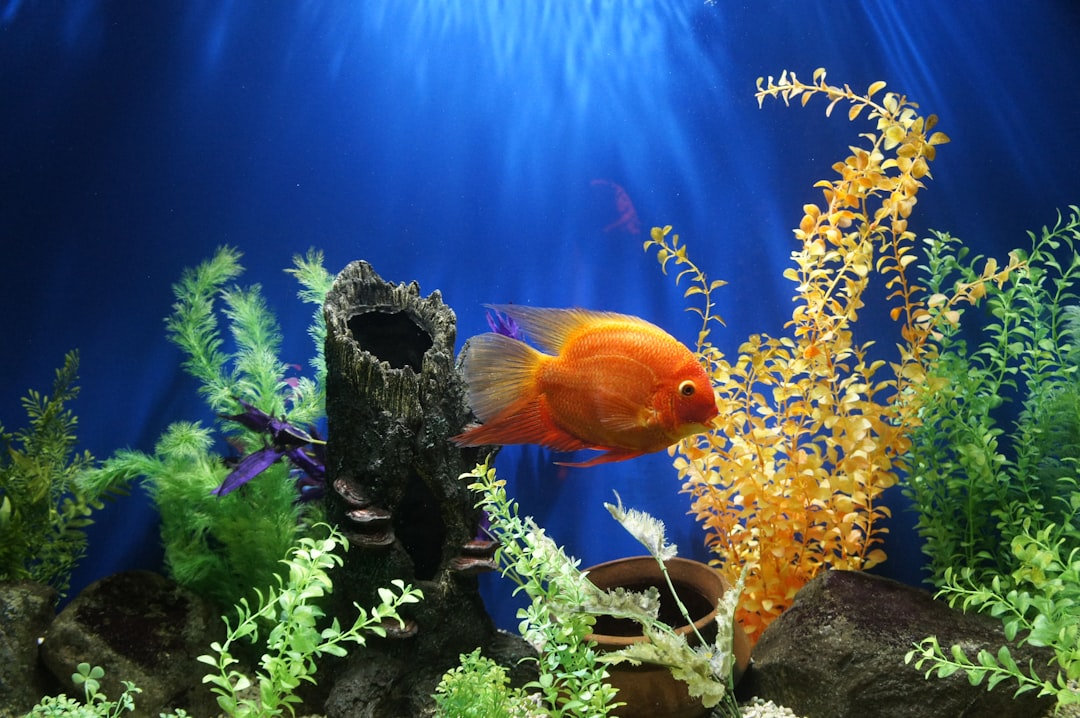
Live plants improve water quality, oxygen levels and aesthetics. Choose low-maintenance species (Java fern, Anubias, Vallisneria) if you’re new to planted tanks. Use a light designed for freshwater planted aquariums and match intensity and photoperiod to plant needs.
A full-spectrum aquarium light such as the AQQA LED Aquarium Light for Plants gives stable plant growth with programmable modes. Complement lighting with occasional liquid or substrate fertilizers—an option like API LEAF ZONE Freshwater Aquarium Plant Fertilizer supports healthy leaf growth for non-root-feeding plants.
6. Water maintenance, cleaning, and aeration
Establish a routine: weekly partial water changes (10–25% depending on stocking), vacuuming substrate, cleaning filter media (rinse in tank water only), and checking equipment. A magnetic glass cleaner speeds algae control without scraping and disturbing inhabitants—consider a cleaner like the Carefree Fish Aquarium Super Powerful Magnetic Cleaner for routine maintenance.
Good oxygenation matters—especially in warm or heavily planted tanks. An air pump improves surface agitation and gas exchange. For reliability and capacity, the VIVOSUN Commercial Air Pump for Aquarium is suitable for medium to large systems and multiple outlets; size your pump for tubing length and device count.
7. Stocking and acclimation
Add fish slowly after the tank is cycled. Follow the “start small” approach—add a few robust species and monitor water parameters for a week before adding more. Quarantine new fish where possible for 2 weeks to avoid introducing disease.
Acclimate new fish using the drip or floating-bag method to minimize shock from temperature and chemistry differences. Monitor behavior and appetite closely for the first week to detect issues early.
Checklist: quick setup summary
- Level stand placed away from direct sunlight and drafts
- Appropriate tank, filter, heater, and light installed
- Substrate rinsed; hardscape arranged
- Tank cycled (ammonia/nitrite at zero) before stocking
- Live plants and fertilizer routine planned
- Weekly water-change schedule set and cleaning tools ready
- Quarantine plan and acclimation method for new fish
FAQ
- How long does cycling take?
Cycling typically takes 2–6 weeks depending on method and temperature. Test ammonia, nitrite and nitrate weekly and add livestock only when ammonia and nitrite are consistently zero.
- How often should I change water?
Most hobbyists do 10–25% water changes weekly. Adjust frequency and volume based on stocking density and test results (ammonia, nitrite, nitrate).
- Do I need an air pump?
Air pumps aren’t mandatory if your filter provides surface agitation, but they improve oxygenation and circulation—useful in warmer tanks or high-stock situations.
- Can I use tap water?
Yes, after treating with a conditioner to remove chlorine/chloramines and matching temperature. Test for hardness and pH if keeping sensitive species.
- Are live plants necessary?
No, but live plants improve water quality, provide cover, and reduce nitrate buildup. They pair well with planted-tank lighting and fertilizers.
Conclusion
Setting up a healthy freshwater aquarium is methodical: select the right equipment, allow the tank to cycle, plant appropriately, and establish a simple maintenance routine. Start conservatively with stocking, monitor water parameters, and make adjustments gradually. With patience and a few reliable products, you’ll create a stable, attractive aquatic environment that your fish and plants will thrive in.
Products Featured in This Article

AQQA LED Aquarium Light for Plants,…
Product description Introduction of Controller Functions 1 3 Light Color Options 2 10 Levels Brightness Simulate…
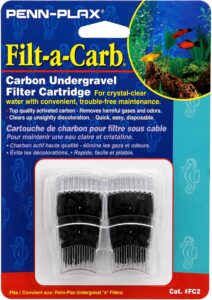
Penn-Plax Replacement Media (2 Pack…
REPLACEMENT FILTER MEDIA: These Cartridges are made to fit the lift tubes of Muti-Pore and Undergravel…
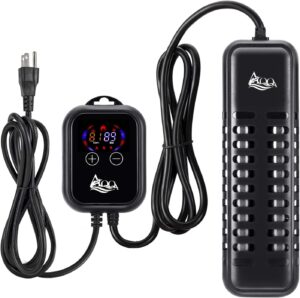
AQQA Submersible Aquarium Heater,10…
From the brand More product from AQQA More product from AQQA More product from AQQA More…
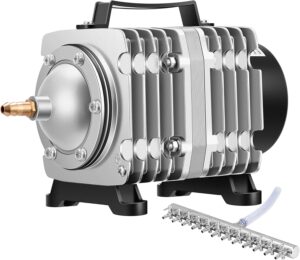
VIVOSUN Commercial Air Pump for Aqu…
Premium Materials: This pump dissipates heat more effectively with aluminum alloy heat-radiating plates and delivers excellent,…

Carefree Fish Aquarium Super Powerf…
From the brand Founded in 2019 We want to be carefree fish. Embrace Aquatic Tranquilty We…
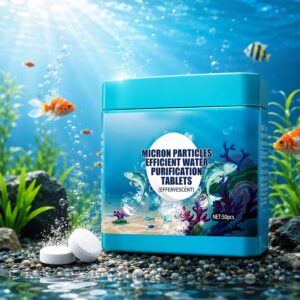
High-Efficiency Aquarium Water Puri…
Product description Package Dimensions : 2 x 2 x 2 inches; 4.23 ounces Item…
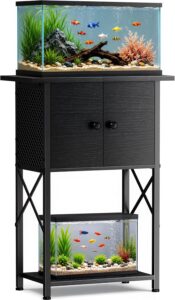
10 Gallon Fish Tank Stand with Stor…
“For anyone who treats their fish tank or reptile tank like more than a “container”who sees…
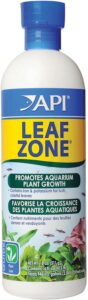
API LEAF ZONE Freshwater Aquarium P…
Keep aquatic plants lush and vibrant with API LEAF ZONE Freshwater Aquarium Plant Fertilizer. API LEAF…