


Winter can be stressful for pets — cold nights, drafts, and shorter days change their needs. Whether you have a reptile, a small mammal like a guinea pig or hamster, or an aquatic pet, small adjustments in environment, food, and routine make a big difference in warmth and comfort.
This guide gives practical, species-specific steps you can implement today. Follow the checks and supplies suggested below to reduce risk and keep your companion calm, healthy, and cozy all season.
Understand species-specific needs
Different pets regulate temperature differently. Reptiles are ectotherms and need reliable external heat sources and well-configured enclosures; mammals maintain body heat but need insulated bedding and sheltered spots; fish require stable water temperature. If you keep reptiles, review your enclosure setup and options for safe housing like Reptile Terrariums to ensure the habitat supports proper temperature gradients and hides.
Maintain safe ambient temperature and monitoring
Keep room temperatures steady — avoid large day/night drops. For fish, use a high-quality submersible heater and a reliable thermometer to prevent temperature swings; a heater designed for aquariums helps maintain metabolic health and reduces winter stress: AQQA Submersible Aquarium Heater. For other pets, use thermostatic room heaters rather than space heaters that cycle unpredictably, and place thermometers near enclosures to verify microclimates.
Reptile heating and humidity — safe setups
Reptiles need a gradient: a warm basking area and a cooler retreat. Use fixtures with reliable controls and timers; a dedicated reptile light fixture with dimming and thermostat options helps create consistent day/night cycles and safe basking heat — consider products such as the Lucky Herp Reptile Light Fixture.
Humidity also matters in cold months because indoor air gets dry. For species that need moisture, a humidifier designed for terrariums will protect skin and respiratory health — a unit like the Repti Zoo 4L Reptile Humidifier gives controllable mist without overheating the tank.
Bedding and nesting for guinea pigs
Guinea pigs need dry, insulating bedding that traps warmth while wicking moisture. Replace bedding regularly to avoid dampness, and layer bedding in colder rooms. Good-quality options protect fur and skin and reduce drafts; check the range of suitable materials in the Guinea Pig Bedding category for ideas on layering and absorbency.
Nutrition and extra calories in winter
Maintain or slightly increase calorie intake during cold weather because animals expend more energy to keep warm. For guinea pigs, keep high-fiber hay available at all times to support digestion and thermogenesis — shop reliable forage like those in Guinea Pig Hay. Offer small, healthy treats sparingly to encourage eating but avoid sudden diet changes.
Provide shelters, hideouts and cozy spots
Pets feel warmer when they can create a microclimate. Add insulated hideaways, fleece-lined houses, or thick-walled hideouts so animals can curl up out of drafts. For guinea pigs, solid shelters with a low entrance and snug interior help retain body heat — explore options under Guinea Pig Hideouts to find shapes and sizes that fit your enclosure.
Hamster winter care and bedding choices
Hamsters sleep a lot and build nests; supply deep, shreddable bedding so they can burrow and insulate themselves. Choose bedding designed for small rodents and give nesting material like unscented paper strips rather than synthetic fibers that trap moisture — browse safe supplies at Hamster Bedding. Check on nocturnal animals during warm parts of the day; avoid waking them at night when they’re most active.
Monitoring, grooming and handling in cold months
Check pets daily for signs of being too cold: shivering (in mammals), decreased appetite, lethargy, or unusual hiding. Maintain grooming routines — wet or matted fur loses insulating power. For species prone to respiratory issues in winter, keep bedding clean and avoid aerosolized sprays that dry the air. Limit stressful handling during extreme cold; when you must move animals, carry them in insulated carriers and minimize exposure to cold drafts.
- Keep indoor temps steady and monitor with thermometers (room and enclosure).
- Provide nestable bedding and daily fresh hay for herbivores.
- Create sheltered hideouts and insulated sleeping areas.
- Use species-appropriate heating: aquarium heaters for fish, thermostatic fixtures for reptiles.
- Check food and water twice daily; prevent freezing of water sources.
- Limit outdoor exposure and use secure travel carriers if transport is necessary.
FAQ
Q: What room temperature is safe for small mammals like guinea pigs and hamsters?
A: Aim for 65–75°F (18–24°C). Avoid drafts and sudden drops; provide extra bedding if your home runs cooler.
Q: Can I use a heat lamp for my reptile all night?
A: Most reptiles need a day/night cycle. Use a programmable fixture and thermostat to avoid constant high heat; cooler night temps are appropriate depending on species — consult species care guidelines.
Q: How do I prevent aquarium water from cooling too much?
A: Use a reliable submersible aquarium heater sized for your tank and place a thermometer to confirm set temperature; insulate the rear of the tank from cold walls if necessary.
Q: My pet seems lethargic in winter — is that normal?
A: A mild reduction in activity can be normal, especially in cooler conditions. Significant lethargy, refusal to eat, or labored breathing warrants veterinary advice promptly.
Q: How often should I change bedding in winter?
A: Check daily for dampness; do a full bedding change weekly or sooner if soiled. Keeping bedding dry is more important in cold months to maintain insulation.
Conclusion — practical takeaway
Start with stable temperatures, species-appropriate heat sources, and dry, insulating bedding. Small investments — a proper heater, better bedding, and a snug hideout — pay off with calmer, healthier pets. Check them daily, adjust gradually, and prioritize moisture control and nutrition to keep winter safe and comfortable.
Products Featured in This Article
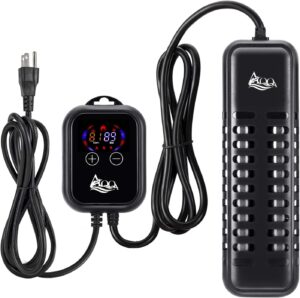
AQQA Submersible Aquarium Heater,10…
From the brand More product from AQQA More product from AQQA More product from AQQA More…
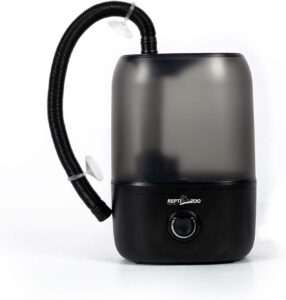
Repti Zoo 4L Reptile Humidifier, La…
Product description REPTI ZOO is a company which specialize in design and manufacturing of reptile supplies….
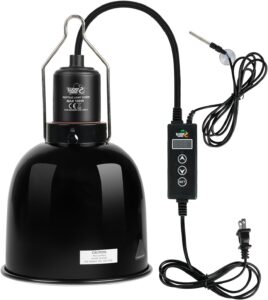
LUCKY HERP Reptile Light Fixture wi…
From the brand Reptile Heat Lamp Bulb Ceramic Heat Emitter Desert UVB 10.0 Reptile Bulb T5…