

How to Keep Indoor Cats Happy and Active
Indoor cats can lead long, healthy lives, but they need more than a cozy bed and regular meals to stay mentally and physically fit. Boredom and lack of activity are common causes of unwanted behaviors—scratching furniture, night-time zoomies, or lethargy.
This guide gives clear, practical strategies to keep your indoor cat engaged every day. Use small, consistent steps to build a routine that fits your home and your cat’s personality.
1. Daily interactive play: quality over quantity
Short, focused play sessions—two to three times a day for 5–15 minutes—are more effective than long, unfocused time. Use toys that mimic prey movement (wand toys, feather teasers) and finish with a “capture” so your cat gets a satisfying end to the hunt. Consider a well-made, enticing toy like the Cat Toy Faux Rabbit Fur Ball for solo chase sessions and bonding play.
2. Rotate toys and create novelty
Cats lose interest when toys stay the same. Keep a toy rotation: put a few toys away for a week, then reintroduce them. DIY options—crumpled paper, cardboard tubes or a paper bag—work well. If you also care for small pets, keep their toys stored separately so your cat doesn’t become over-stimulated or bored by predictable items; check the selection of Hamster Toys for ideas on small-animal enrichment you should keep out of reach.
3. Environmental enrichment: vertical space and hideouts
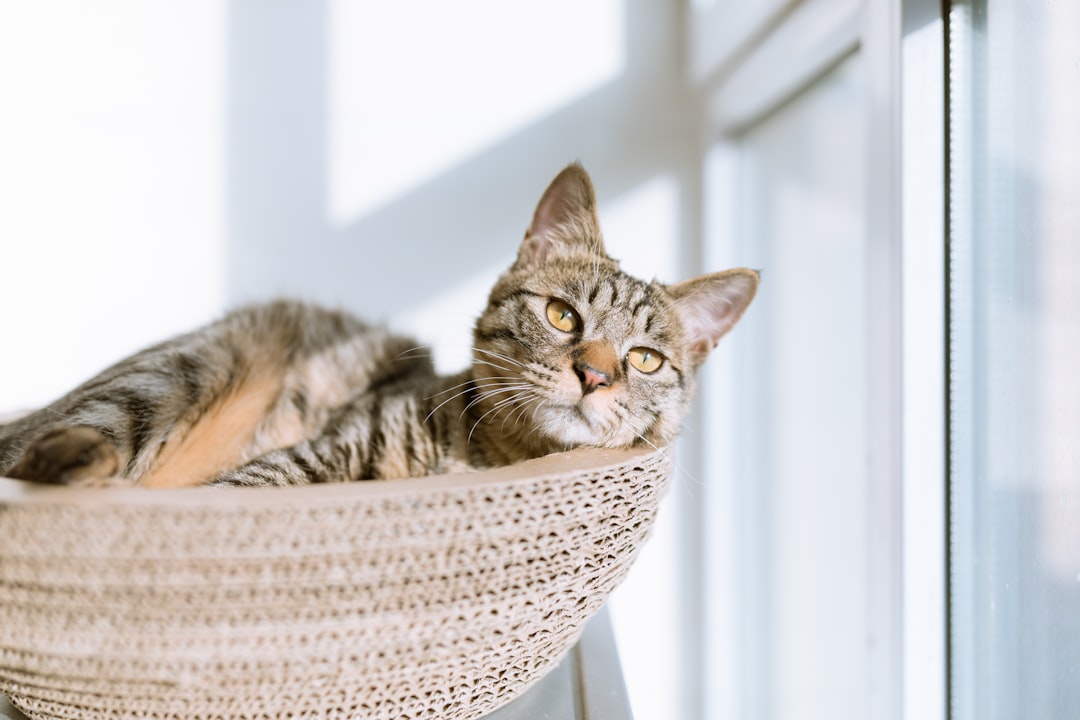
Cats are natural climbers and like vantage points. Provide shelves, cat trees, window perches, and accessible high spots. Boxes and low-cost hideouts make excellent play endpoints and naps. If you keep other small pets in the home, ensure those animals have secure hideouts of their own to reduce stress; for example, explore Guinea Pig Hideouts so small companions aren’t exposed to cat curiosity.
4. Food puzzle feeders and timed feeding
Turn meals into a hunt. Puzzle feeders, slow-dish bowls, and hiding small portions around the house stimulate foraging instincts and slow eating. For multi-pet homes, use separate feeding zones so cats and small mammals don’t compete—this protects smaller species and keeps the cat’s engagement focused on the task.
5. Safe multi-pet household practices
If you live with rodents or guinea pigs, supervise interactions and separate spaces. Small pets need secure enclosures and their own toy stash; store their play items in places your cat can’t access. Good options for keeping small pets comfortable and entertained include Hamster Hideouts and Guinea Pig Toys. Keeping each species’ resources distinct reduces stress for everyone.
6. Mental stimulation: training, scent games, and environmental cues
Training sessions—teach sit, high-five, or target work—are low-impact ways to challenge your cat’s brain. Use clicker training and small treats. Introduce scent trails (a dab of food or cat-safe scent leading to a toy) and hide treats in puzzle boxes. Rotate hiding locations and change scent cues to keep things novel.
7. Grooming, health checks, and age-appropriate exercise
Regular brushing reduces hairballs and is a calm bonding activity. Adjust activity to your cat’s life stage: kittens need more intense play, adults benefit from scheduled sessions, and seniors do best with short, gentle games. If you have small animals in the home, use safe bedding materials placed out of the cat’s reach; for example, consider proper Hamster Bedding to keep mess and scent confined away from your cat’s areas.
8. Household safety: securing other pets and hazards
Keep fragile or dangerous items out of reach, cover cords, and secure houseplants that are toxic to cats. If you own birds or reptiles, protect those enclosures: birds need secure nests and protected spaces, so keep bird supplies stored and cages out of easy paw reach—see options like Pet Bird Nesting Supplies. Reptile heat sources should be inaccessible to pets; always secure equipment such as Reptile Heating Lamps to prevent accidental burns or knocks.
9. When to change routine: watching for signs
Monitor your cat’s behavior: reduced grooming, loss of appetite, changes in litter-box habits, increased hiding, or sudden aggression indicate a need to reassess enrichment, schedule, or vet care. Small, steady tweaks—more play sessions, different toys, or an added perch—often resolve mild issues.
Quick checklist: daily and weekly actions
- Daily: two short interactive play sessions (5–15 minutes each).
- Daily: fresh water, measured meals or puzzle feeding.
- Weekly: rotate toys and clean perches/litter areas.
- Monthly: add a new enrichment item or rearrange vertical spaces.
- Always: secure other pets’ enclosures and remove hazards.
FAQ
- How much play does an indoor cat need? Most adult cats do well with two or three short interactive sessions daily plus opportunities for solo play.
- Can a cat use a hamster wheel or small-pet toy? No—wheels and many small-pet toys are unsafe for cats. Keep small-animal gear in its own area to prevent accidents.
- How do I stop night-time zoomies? Tire your cat with a vigorous play session before bedtime and offer a late small meal or puzzle feeder; keep a consistent sleep routine.
- Are catnip toys necessary? Some cats respond to catnip, others don’t. Catnip toys are useful but rotate different textures and movements for broader interest.
- How can I introduce a new toy? Present it during active times, play with it yourself first to entice interest, and pair it with treats or praise.
- My home has birds/reptiles—what extra precautions should I take? Secure cages and equipment, store bird nesting materials and reptile heating lamps safely, and supervise all interactions to prevent stress or injury.
Conclusion
Keeping an indoor cat happy and active is about consistent stimulation, safe spaces, and variety. Small daily investments—interactive play, puzzle feeding, and environmental tweaks—pay off in a healthier, calmer cat. If you share your home with other small animals, ensure their enrichment and resources are secure and separate to keep every pet comfortable.
Products Featured in This Article

Cat Toy Faux Rabbit Fur Ball,2026 N…
Product description Add to Cart Add to Cart Add to Cart Add to Cart Add to…