
How to Create the Perfect Home Environment for Pet Birds
Creating a safe, comfortable, and stimulating home for pet birds takes thoughtful choices about cage setup, diet, enrichment, and daily routines. Birds are sensitive to light, temperature, and air quality; small changes in their environment can affect behavior and health.
This guide gives practical, actionable steps you can implement today to improve your bird’s living space—covering cage placement, cleaning, perches and toys, nesting, grooming, travel safety, and a concise checklist to follow.
Choose the right cage and placement
Select a cage large enough for the species to stretch wings fully, climb, and exercise. Horizontal space is especially important for parrots and parakeets. Bar spacing should match the bird’s size to prevent escape or injury.
Placement matters: avoid kitchens, drafty windows, direct midday sun, and areas with frequent temperature swings. A quiet corner near family activity helps social birds stay engaged without being overstimulated. If you keep multiple species or small pets, be sure you use species-appropriate substrates for those animals—for example, products like Hamster Bedding are designed for rodents and should not replace bird-safe cage liners.
Temperature, light and ventilation
Most pet birds are comfortable in indoor household temperatures (65–80°F / 18–27°C). Avoid sudden temperature swings; steady, gentle heating or cooling is better than intermittent extremes. Provide good ventilation without drafts—an open window breeze can be dangerous.
Natural daylight with a consistent day/night cycle supports sleep and hormone balance. Aim for 10–12 hours of light and 10–12 hours of darkness for many species; use blackout curtains or a cage cover when needed. Avoid bright artificial lights at night and prioritize a calm, dark sleeping period.
Cleanliness and safe materials
Daily spot-clean (remove food waste, droppings on perches, and dirty water) and perform a deeper clean weekly (remove perches/tops, wash dishes and surfaces with a bird-safe disinfectant, replace liners). Use non-toxic cleaners and rinse thoroughly.
Avoid cedar and other aromatic woods that release oils harmful to birds. Many small-pet products exist for other species—do not assume suitability; for reference, see industry examples like Guinea Pig Bedding to understand differences in materials. Always choose materials labeled safe for birds.
Food, water and feeding routines
Offer a base of a high-quality seed mix or pellet formulated for your species, supplemented with fresh vegetables and occasional fruit. Clean water bowls daily; change water more often in warm weather or with messy eaters. Provide separate cuttlebone or mineral blocks to supply calcium.
Use multiple feeding stations if you have more than one bird to reduce competition. Monitor weight and droppings daily—changes are often the earliest sign of a problem. Consult an avian veterinarian for specific diet adjustments rather than experimenting with supplements without guidance.
Perches, toys and enrichment
Provide a variety of perch diameters and textures to keep feet healthy—natural wood perches, rope perches, and smooth dowels each serve a purpose. Position perches to allow easy access to food and water while giving clear flight paths inside the cage.
Rotate toys regularly to prevent boredom and offer foraging challenges. You can take inspiration from safe small-pet enrichment ideas—look at categories like Hamster Toys for concepts (chewable, puzzle, and activity-based items), then choose bird-safe versions constructed from non-toxic materials.
Some birds enjoy small hide areas or covered spots for rest; similar concepts exist for other small pets—see examples such as Guinea Pig Hideouts for inspiration on design and placement, but always ensure the final product is bird-safe.
Nesting, comfort and breeding considerations
If your bird species nests or you are planning breeding, provide appropriate nesting options sized and constructed for safety. Offer nesting material that allows building without entanglement risks and avoid loose threads that can wrap around toes or beaks.
For ready-made nesting supplies and species-appropriate options, consider browsing curated resources like Pet Bird Nesting Supplies. When introducing nesting materials, watch behavior closely—nesting can change hormones and behavior patterns, so maintain regular husbandry and consult an expert if uncertain.
Grooming, routine health checks and supplies
Regular grooming includes nail trims, occasional beak maintenance, and monitoring feather condition. Provide a shallow bowl for bathing or mist lightly if your species enjoys it; bathing helps maintain feather condition and skin health.
Keep a basic grooming kit and bird-safe products on hand. For supplies specific to avian grooming, see options under Pet Bird Grooming Supplies. Schedule annual checkups with an avian veterinarian and seek immediate care if you notice sudden changes in appetite, droppings, breathing, or behavior.
Travel, emergency safety and quick exits
Have a travel-ready carrier that keeps your bird secure and comfortable for vet trips or evacuations. Practice short trips to acclimate your bird before longer journeys. For reliable options, review carriers such as the Bird Carrier, Portable Small Bird P… which includes a perch and easy access for handling.
Keep a small emergency kit with extra food, bottled water, a towel, and contact info for your avian vet and an emergency clinic. Know the quickest route to care and have transport arrangements planned for unexpected situations.
Quick checklist
- Daily: change water, remove obvious waste, check food levels and behavior.
- Weekly: wash food/water dishes, spot-clean perches, replace liners.
- Monthly: deep clean cage, rotate and inspect toys, inspect perches for wear.
- Seasonal: review lighting and temperature needs with changing seasons.
- Supplies to have on hand: high-quality diet, grooming kit, carrier, and safe nesting fiber such as Sukh 2PCS Coconut Fiber for Bird Ne… (use only species-appropriate nesting materials).
FAQ
- How often should I change my bird’s water?
Change water daily; more often if the bird soils it or in hot weather.
- Which perch types are best?
Use a mix: natural-branch perches for grip variation, smooth dowels for trimming, and rope perches sparingly. Ensure diameters vary to exercise feet.
- Can I use the same toys or bedding as other small pets?
Not necessarily. Materials safe for rodents may be unsafe for birds. Use concepts from other pet categories for inspiration, but select products labeled bird-safe.
- How do I encourage my bird to bathe?
Offer a shallow dish of water, mist with a spray bottle, or provide a shallow shower platform. Introduce slowly and keep water lukewarm.
- When should I see an avian vet?
Seek veterinary care for persistent changes in eating, breathing, droppings, feather condition, or sudden lethargy—early intervention is important.
Conclusion
A perfect home environment for pet birds balances safety, cleanliness, stimulation, and routine. Start with the right cage placement, maintain consistent cleaning and diet, rotate enrichment, and be prepared for travel and emergencies. Small, consistent improvements will yield healthier, happier birds.
Products Featured in This Article

Sukh 2PCS Coconut Fiber for Bird Ne…
Product description Product Dimensions : 12.59 x 8.66 x 1.18 inches; 2.89 ounces Item…
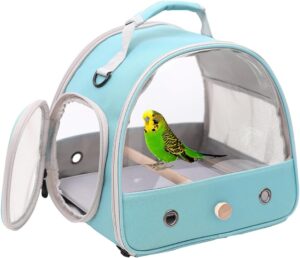
Bird Carrier, Portable Small Bird P…
Product description Bird travel carrier for parakeet, parrot, cockatiel, conure and budgies small birds Vet visit…