How to Create a Pet-Friendly Cleaning Routine
Keeping a clean home with pets requires balance: hygiene for people and animals, plus routines that are realistic to follow. A pet-friendly cleaning routine reduces odors, prevents illness, and keeps pets comfortable without stressing them.
This guide gives clear, practical steps for daily, weekly, and deeper cleaning tasks tailored to common small pets, reptiles, and aquariums. Use the routines and product-category suggestions here to build a dependable schedule you can stick to.
1. Assess your pets and high-traffic zones
Start by mapping where pet messes happen: cages, litter areas, feeding spots, bedding, and play zones. Different animals have different needs. For example, reptiles need secure, well-ventilated enclosures and substrate that’s easy to spot-clean, while guinea pigs create hay and bedding mess around feeding areas.
If you keep terrariums or custom enclosures, check accessories and layout to make cleaning easier—consider upgrading or reorganizing using products from Reptile Habitat Accessories to reduce corners where debris accumulates.
2. Daily quick-clean habits (5–15 minutes)
Daily tasks prevent messes from building up and make weekly deep cleans faster.
- Remove uneaten fresh food and spoiled hay; spot-wipe food bowls and water containers.
- Scoop solid waste from cages or litter boxes and replace soiled pads or liners.
- Wipe down high-touch surfaces (table tops, counter edges) where pets jump or rest.
- Do a fast surface sweep or vacuum of visible hair piles in main rooms.
3. Weekly cleaning: cages, bedding, and toys
Once a week, schedule deeper cleaning for enclosures and replace bedding where needed. For small mammals, replace bedding frequently to control ammonia and odor. Use quality bedding that absorbs moisture and is safe for chewing and nesting—consider options from Hamster Bedding or Guinea Pig Bedding depending on your pet.
Clean and disinfect food bowls, water bottles, hideouts, and toys; rotate toys and hideouts to allow full cleaning and drying. If your pet’s cage design makes cleaning harder, consider a model with removable trays or easy-access doors—browse sturdy Hamster Cages for ideas on more user-friendly layouts.
4. Deep clean monthly or as needed
Every 2–4 weeks, or sooner for multi-pet households, perform a deep clean: empty the enclosure, wash all surfaces, scrub accessories, and replace substrate. For guinea pigs, swap out and disinfect hideouts and thoroughly clean the area where hay accumulates; replenish with fresh supplies from the Guinea Pig Hay selection to encourage cleaner eating zones.
For aquariums, deep-cleaning involves water changes, substrate vacuuming, and media replacement. Use replacement filter media when necessary to maintain water quality—stock up on reliable options like Penn-Plax Replacement Media (2 Pack).
5. Safe cleaning products and DIY solutions
Use pet-safe cleaners: unscented, non-ammonia, and free from phenols (found in some disinfectants). For many surfaces, a 1:10 diluted bleach solution (follow label for safe use), vinegar and water (avoid on natural stone), or enzyme cleaners designed for pet messes work well. Rinse surfaces that contact food or water thoroughly.
For aquariums, avoid household detergents entirely. Use magnetic scrubbers and algae tools made for tank glass to clean without removing fish—tools like the Carefree Fish Aquarium Super Powerful Magnetic Cleaner make regular maintenance faster and safer for aquatic life.
6. Grooming, odor control, and reducing allergens
Regular grooming reduces loose hair and dander. Brush guinea pigs and long-haired small mammals weekly and spot-brush more often during shedding. Keep grooming supplies on hand so you can act fast—look for useful items in Guinea Pig Grooming Supplies.
Control odors by addressing sources: replace soiled bedding, clean feeding areas, and maintain fresh water. Use washable covers on furniture and frequent laundering of blankets where pets nap. Air purifiers with HEPA filters can help reduce airborne dander in shared living spaces.
7. Special tips for different pets
Small mammals: Guinea pigs and hamsters need frequent bedding and hay maintenance. Store and rotate clean bedding and fresh hay to prevent mold and spoilage; stock high-quality supplies such as those in Guinea Pig Hay and Guinea Pig Bedding to simplify replacements.
Reptiles: Avoid aerosol cleaners; use reptile-safe disinfectants and remove substrate completely for full cleaning. Fitted accessories and modular layout choices from the Reptile Habitat Accessories category make spot-cleaning and deep cleaning easier.
Fish tanks: Maintain filtration, do partial water changes weekly, and clean algae from glass and decorations with aquarium-safe tools. Replace filter media as recommended with options like Penn-Plax Replacement Media (2 Pack) and use magnetic scrubbers to keep viewing panels clear.
8. Preventive setup and organization
Make cleaning simple by organizing supplies and designing spaces for easy access. Keep a small caddy with pet-safe cleaners, spare bedding, gloves, and a scrub brush near your pet area. Use washable liners in travel carriers and place washable mats under feeding stations to catch spills.
For hamsters and other active small pets, modular cages with removable trays reduce cleaning time; consider designs and backup components from Hamster Cages that allow quick removal and rinse of soiled parts.
Quick checklist
- Daily: remove leftovers, spot-clean waste, refresh water.
- Weekly: replace bedding partially, clean bowls and toys, vacuum hair.
- Biweekly–monthly: deep clean enclosures, replace filter media, launder covers.
- Keep a grooming schedule and a small cleaning caddy nearby.
- Use pet-safe cleaners; avoid scented or harsh chemicals around animals.
FAQ
Q: How often should I change bedding for guinea pigs?
A: Spot-clean daily and perform a full bedding change at least once weekly, or sooner if you notice strong odor or damp spots. Using absorbent products from the Guinea Pig Bedding category can extend freshness.
Q: Can I use vinegar to clean my pet’s enclosure?
A: Vinegar diluted with water works for many surfaces but avoid it on porous stone or where vinegar residue could contact food. Rinse thoroughly. For tubs and plastic enclosures, it’s a safe, inexpensive option.
Q: What’s the best way to keep a hamster cage smelling fresh?
A: Spot-clean daily, replace bedding weekly, and give a deep clean monthly. Choose absorbent Hamster Bedding, remove soiled nesting material, and wash toys and hideouts regularly.
Q: How do I clean an aquarium without harming fish?
A: Use aquarium-safe tools, perform partial water changes, clean filters per manufacturer guidance, and avoid soap. Tools like magnetic cleaners and timely filter media replacement (e.g., Penn-Plax Replacement Media (2 Pack)) preserve water quality.
Q: My reptile’s substrate smells—what should I do?
A: Remove the substrate and disinfect the enclosure, replace with fresh substrate, and clean or swap décor and hideouts. Consider habitat upgrades and easy-clean accessories from Reptile Habitat Accessories.
Conclusion
A practical, pet-friendly cleaning routine combines short daily habits with scheduled deeper cleans. Keep supplies organized, choose absorbent bedding and pet-safe tools, and adjust frequency to your household’s needs. Start with the checklist and build a schedule you can maintain—small consistent steps prevent big messes and keep pets healthier and happier.
Products Featured in This Article
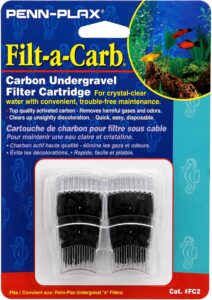
Penn-Plax Replacement Media (2 Pack…
REPLACEMENT FILTER MEDIA: These Cartridges are made to fit the lift tubes of Muti-Pore and Undergravel…

Carefree Fish Aquarium Super Powerf…
From the brand Founded in 2019 We want to be carefree fish. Embrace Aquatic Tranquilty We…