


Essential Pet Care Tips Every First-Time Owner Should Know
Bringing a pet into your home is exciting, but it also comes with responsibilities. Whether you’re adopting a kitten, a budgie, a hamster, or any other companion, a few practical habits set the foundation for a healthy, happy relationship.
This guide lays out clear, actionable tips to help first-time owners prepare their space, choose appropriate supplies, manage nutrition and health, and stay ready for travel and emergencies.
Choosing the right pet and planning ahead
Match your lifestyle to the pet’s needs. Consider space, daily time commitment, noise tolerance, lifespan, and any household allergies. Research breed or species-specific care — for instance, parrots require long-term enrichment while kittens benefit from early socialization. Start by browsing trustworthy product categories to get a sense of supplies and commitment Shravs offers for different pets.
Safe housing and proper setup
Good housing is more than a bed or cage — it’s about layout, escape prevention, ventilation, and safe materials. For birds, size, bar spacing, and appropriate accessories matter. Choose cages and add-ons that support rest and safety; the right accessories will make cleaning and maintenance easier while keeping your pet secure. Consider specialized cage add-ons and setup tools when preparing a new home for a bird Pet Bird Cage Accessories.
Nutrition basics for growth and longevity
Proper nutrition varies widely by species. Kittens and puppies need different formulations than adult animals; birds benefit from a balanced mix of pellets, seeds, vegetables, and species-appropriate treats. Read labels for age- and species-appropriate formulations, and introduce dietary changes slowly over a week to avoid digestive upset. Quality bird mixes and species-specific foods are worth considering when planning a balanced diet Pet Bird Food.
Health care, vaccinations, and preventive routines
Establish a relationship with a veterinarian early. Vaccination schedules, parasite prevention, spay/neuter recommendations, and dental checks differ by species and age. Keep basic health supplies on hand, like first-aid clean supplies and grooming tools, and maintain a log of vet visits and treatments. For cat owners, having access to trusted health products can simplify routine care and support recovery if issues arise Cat Health Supplies.
Grooming and daily hygiene
Grooming prevents discomfort and health problems. Regular brushing, nail trimming, and bathing schedules depend on your pet’s coat and species. Birds need beak and feather maintenance and occasional wing and nail trims; small mammals benefit from clean bedding and routine cage maintenance. Keep appropriate grooming tools and gentle products on hand; bird-specific grooming supplies make routine care safer and less stressful Pet Bird Grooming Supplies.
Travel, carriers, and making vet visits less stressful
Routine travel — from short car trips to vet visits — should be introduced gradually. A comfortable, secure carrier reduces anxiety and protects your pet. For cats, a soft, well-ventilated carrier with a secure closure and rollable flap is ideal for nervous animals and airline-friendly transport when needed. Choosing the right carrier that fits your cat’s size and temperament improves safety and travel comfort rabbitgoo Cat Carrier Soft.
Enrichment and mental stimulation
Boredom leads to stress and unwanted behaviors. Provide species-appropriate toys, perches, puzzles, and foraging opportunities. Rotate toys to maintain interest and offer social interaction daily. For birds, durable chewing and foraging toys encourage natural behaviors and prevent feather picking; choose toys that match your bird’s size and chewing strength to avoid hazards Pet Bird Toys.
Safety, emergency prep, and basic first aid
Prepare for small accidents and unexpected events. Keep a simple kit with bandages, styptic powder for nail trims, a digital thermometer, and contact info for your vet and an emergency clinic. Learn basic first-aid steps: stop bleeding, stabilize injured pets, and transport safely. A fast-acting styptic powder is useful for nail-trim nicks and minor bleeding incidents and belongs in a household first-aid kit Miracle Care Kwik Stop Styptic Powder.
Checklist: Essentials to have before bringing your pet home
- Secure housing appropriate for species (cage, tank, bed)
- Species-appropriate food and measuring tools
- Carrier or travel-safe container
- Grooming and hygiene kit
- Basic first-aid supplies and emergency contact list
- Identification (microchip, collar if appropriate)
- Enrichment items and safe toys
FAQ
- How soon should I take my new pet to the vet?
Schedule a checkup within a week for a general exam, vaccinations, and parasite prevention advice. - How do I introduce a new pet to other animals at home?
Use slow, supervised introductions in neutral spaces, separate feeding areas, and allow gradual scent and sight exposure. - What are signs of stress in common pets?
Changes in appetite, hiding, aggression, excessive vocalization, feather plucking in birds, or repetitive behaviors can indicate stress. - How often should I groom my pet?
Frequency depends on species and coat type—birds need regular feather and beak checks, long-haired cats may require daily brushing, and small mammals benefit from weekly cage cleaning. - Can I change my pet’s diet suddenly?
No—transition over 7–10 days, mixing increasing amounts of the new food to avoid digestive upset.
Conclusion
Being a first-time pet owner is rewarding but requires planning and consistent care. Prioritize safe housing, proper nutrition, preventive health, enrichment, and preparedness. Start simple, build routines, and don’t hesitate to seek professional advice when unsure—small, steady efforts lead to a long, happy life together.
Products Featured in This Article
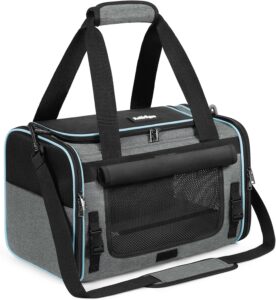
rabbitgoo Cat Carrier Soft, Pet Bag…
From the brand Our love for pets drives us to create extraordinary expericences that deepen the…

Miracle Care Kwik Stop Styptic Powd…
Miracle Care Kwik Stop Styptic Powder is a trusted solution for managing minor bleeding in dogs,…