

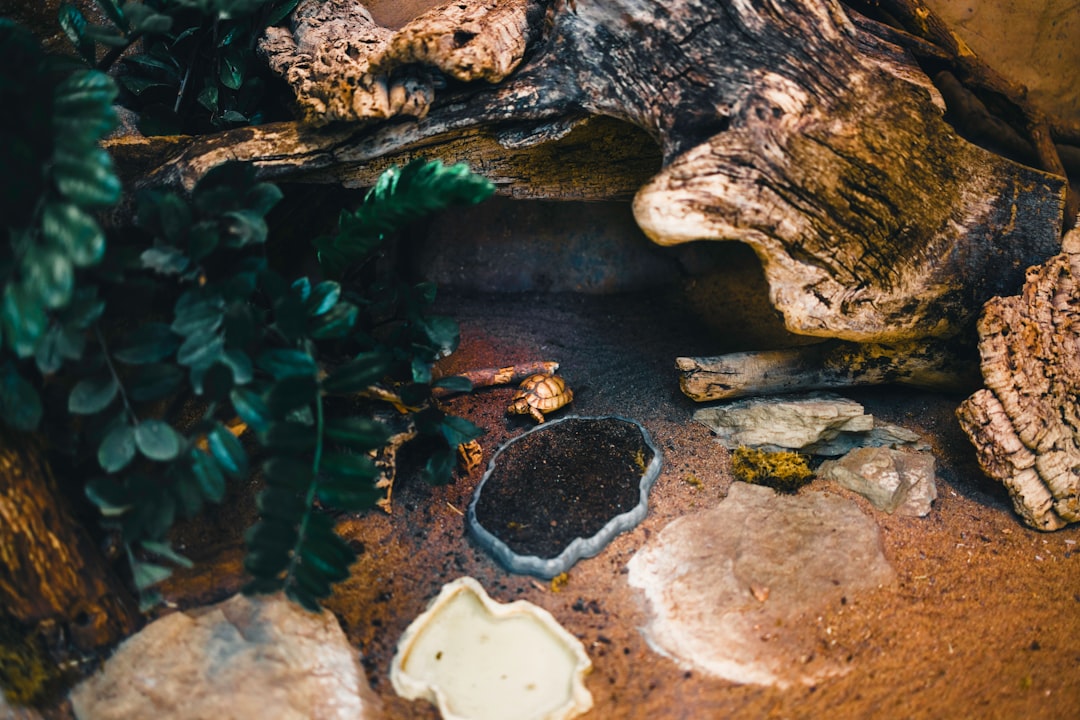
How to Create a Safe and Comfortable Reptile Habitat
Creating a healthy reptile habitat means thinking like your animal: meeting its temperature, humidity, space, hiding, and feeding needs. A safe, comfortable enclosure reduces stress, supports natural behavior, and lowers the risk of illness.
This guide walks through practical steps—equipment choices, layout, and routine care—so you can set up and maintain a habitat that keeps your reptile active and thriving.
Choosing the right enclosure and stand
Start with an enclosure sized for your species and its adult length. Glass aquariums, glass terrariums, and properly ventilated plastic vivariums each have pros and cons—pick one that provides visibility, easy cleaning, and secure ventilation. For smaller aquatic and semi-aquatic species, a tank on a sturdy stand that resists warping and holds weight is essential. Consider a model like the 10 Gallon Fish Tank Stand with Storage Cabinet to keep gear and supplies organized and support your setup safely.
Temperature and heating setup
Reptiles are ectotherms and need a temperature gradient: a warm basking area and a cooler retreat. Use thermostatically controlled heat sources (under-tank heaters, ceramic heat emitters, or heat bulbs) and always monitor with accurate thermometers placed at both ends of the enclosure.
For semi-aquatic reptiles or species that require precise water temperatures, a reliable submersible heater helps maintain stable water conditions. A unit such as the AQQA Submersible Aquarium Heater can be used in refuges and aquatic pools—always pair heaters with a thermostat and regular checks to prevent overheating.
Lighting and UVB needs
Many reptiles need full-spectrum lighting that includes UVB to synthesize vitamin D3, which supports calcium metabolism. Choose a light and UVB bulb rated for the size of the enclosure and replace UVB bulbs on the manufacturer’s schedule because output declines over time.
For enclosures containing plants or aquatic areas, consider multi-mode LED fixtures to simulate day/night cycles and support live plants. Options such as the AQQA LED Aquarium Light for Plants provide adjustable lighting that can help recreate natural photoperiods while offering consistent illumination.
Substrate selection and safe bedding
Choose substrate that matches your species’ natural habitat and behavior. Desert species need a dry, coarse substrate that won’t retain mold; tropical species often need moisture-retentive bedding to maintain humidity; burrowing species need deep, loose substrates that hold tunnels.
Coconut fiber or coir is a popular, plant-based option for many tropical and forest-dwelling reptiles because it retains moisture without molding quickly when managed properly. A product like Sukh 2PCS Coconut Fiber can be repurposed carefully as substrate—ensure it’s clean, free of additives, and used at an appropriate depth for your animal.
Hideouts, enrichment and furniture
Provide at least two hiding spots: one in the warm zone and one in the cool zone. Hides allow reptiles to thermoregulate and feel secure, reducing stress and improving appetite. Platforms, branches, rocks, and foliage add vertical space and enrichment.
There are many ready-made hideouts from other small-animal categories that work well for reptiles—look for sturdy, chew-resistant pieces with smooth edges. Items like the Guinea Pig Hideouts often offer the right footprint and darkness for a reptile hide; choose non-toxic materials and secure them to prevent tipping.
Humidity and ventilation control
Match humidity to the species: dry for desert species, higher for tropical ones. Create microclimates within the enclosure using hide boxes, damp moss chambers, or dedicated humid hides. Use hygrometers to track humidity at the substrate level and in the air.
Ventilation prevents stagnant air and mold. For high-humidity setups, ensure you have adequate cross-ventilation or a controlled exhaust to keep air moving without dropping humidity too low. Adjust misting frequency, substrate depth, and ventilation based on daily readings rather than guesswork.
Water management and filtration
Semi-aquatic species need clean water and reliable filtration. Mechanical and biological filtration remove debris and break down ammonia and nitrite. Replacement media cartridges or sponges should be changed per manufacturer guidelines to keep filters effective; consider reliable parts such as Penn-Plax Replacement Media (2 Pack) for compatible filters.
Perform routine water tests and partial water changes to maintain safe parameters. Avoid household cleaners near water sources—use reptile-safe cleaning methods and approved products only.
Cleaning, routine maintenance and record keeping
Establish a cleaning schedule: spot-clean daily, change substrate as required, and perform deeper cleanings on a regular cycle. For aquaria or mixed setups, water treatment and clarity aids help keep water safe between changes; products like High-Efficiency Aquarium Water Purification Tablets can assist with turbidity, used carefully and according to instructions.
Use tools designed for tanks to avoid spills and reduce labor—magnetic glass cleaners make algae removal simpler and reduce stress when working near animals. A handy option is the Carefree Fish Aquarium Super Powerful Magnetic Cleaner, which speeds cleaning and limits intrusion into the habitat.
Checklist: daily, weekly, monthly
- Daily: Check temperatures/humidity, food and water levels, and spot-clean wastes.
- Weekly: Clean water bowls/pools, wipe surfaces, change any soiled substrate patches.
- Monthly: Replace UVB bulbs if due, deep-clean decor and hides, test water parameters for aquatic setups.
- As needed: Replace filter media, replace substrate fully according to species-specific schedule.
FAQ
Q: How large should a reptile enclosure be?
A: Base size on adult length and activity level. Arboreal species need vertical space; ground-dwellers need floor space. Err on the side of larger when possible.
Q: How do I know if my reptile is getting enough UVB?
A: Look for natural behaviors like basking and a good appetite. Regular vet checks and bloodwork (calcium levels) provide objective data. Replace UVB bulbs on the manufacturer’s recommended schedule.
Q: Can I use household plants in my terrarium?
A: Only use non-toxic plants suitable for the enclosure’s temperature and humidity. Quarantine and clean plants before introduction to avoid pests and pesticides.
Q: How often should substrate be replaced?
A: It depends on substrate type and species. Spot-clean daily, perform partial substrate refreshes periodically, and fully replace on a schedule appropriate to the material and the animal’s habits.
Q: What if my reptile refuses to eat?
A: Check husbandry first—correct temperature gradients, humidity, and lighting. Stress, brumation (seasonal dormancy), or illness can affect appetite; consult a reptile vet if poor appetite persists.
Conclusion — practical takeaway
Prioritize a proper enclosure, reliable temperature and lighting, safe substrates and secure hides, and a consistent cleaning routine. Use species-specific research and daily monitoring to fine-tune conditions—small adjustments early prevent bigger problems later. With the right setup and maintenance, your reptile will display natural behaviors and enjoy a long, healthy life.
Products Featured in This Article

Sukh 2PCS Coconut Fiber for Bird Ne…
Product description Product Dimensions : 12.59 x 8.66 x 1.18 inches; 2.89 ounces Item…
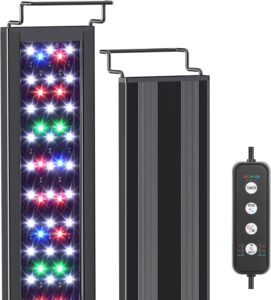
AQQA LED Aquarium Light for Plants,…
Product description Introduction of Controller Functions 1 3 Light Color Options 2 10 Levels Brightness Simulate…
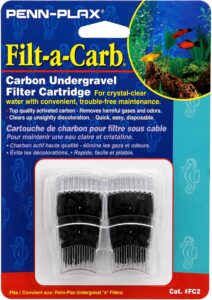
Penn-Plax Replacement Media (2 Pack…
REPLACEMENT FILTER MEDIA: These Cartridges are made to fit the lift tubes of Muti-Pore and Undergravel…

AQQA Submersible Aquarium Heater,10…
From the brand More product from AQQA More product from AQQA More product from AQQA More…

Carefree Fish Aquarium Super Powerf…
From the brand Founded in 2019 We want to be carefree fish. Embrace Aquatic Tranquilty We…
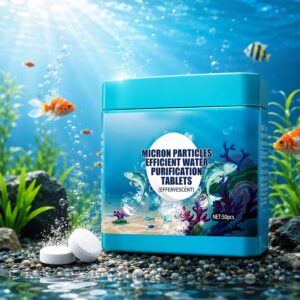
High-Efficiency Aquarium Water Puri…
Product description Package Dimensions : 2 x 2 x 2 inches; 4.23 ounces Item…
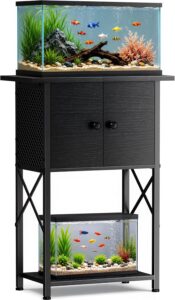
10 Gallon Fish Tank Stand with Stor…
“For anyone who treats their fish tank or reptile tank like more than a “container”who sees…