


Keeping aquarium water clean is the single most important task for healthy fish and plants. Clear water looks good, but more importantly stable water chemistry and effective filtration keep fish disease-free, active, and long-lived.
This beginner’s guide breaks the basics into practical steps you can follow weekly and monthly. No jargon — just the actions that make a measurable difference to water quality and aquarium health.
Know the nitrogen cycle
Before doing anything else, learn the nitrogen cycle: ammonia from waste → nitrite → nitrate. Beneficial bacteria in filter media and substrate convert toxic ammonia and nitrite into less harmful nitrate. If this cycle isn’t established, even clear-looking water can be deadly.
Start new tanks slowly, test water regularly for ammonia, nitrite, and nitrate, and avoid overstocking until the bacteria colony stabilizes.
Choose and maintain filtration
Filtration handles mechanical, biological, and sometimes chemical cleaning. Mechanical removes particles, biological media hosts bacteria, and chemical media (like activated carbon) can polish water and remove odors.
Replace or clean filter media according to manufacturer guidance. For cartridges and media compatible with common filters, consider reliable replacements to keep biological media effective — for example, using proper replacement media helps maintain consistent biological and chemical filtration: Penn-Plax Replacement Media (2 Pack).
Test water and treat problems safely
Regular testing is essential. Use test kits (ammonia, nitrite, nitrate, pH) weekly for new tanks and at least monthly for established systems. Record readings to spot trends before they become crises.
If you see cloudy water, sudden pH swings, or spikes in ammonia or nitrite, treat with targeted products and partial water changes. For quick turbidity issues or to clear minor cloudiness, water-purification tablets can help as a short-term aid while you address root causes: High-Efficiency Aquarium Water Purification Tablets.
Regular maintenance: cleaning and water changes
Routine maintenance is the backbone of clean water. Tasks include partial water changes, gravel vacuuming, glass cleaning, and filter checks. Aim for 10–25% weekly or 20–50% biweekly depending on stocking and plant load.
Algae on glass and decorations can accelerate as nutrients rise. Efficient tools make this quicker and reduce stress for fish — a magnetic cleaner lets you remove algae without reaching inside the tank: Carefree Fish Aquarium Super Powerful Magnetic Cleaner. Use it during water changes for best results.
Aeration and circulation matter
Oxygen exchange and water movement support biological filtration and keep unequal temperatures and oxygen pockets from forming. Surface agitation and circulation also prevent dead zones where waste accumulates.
If your tank lacks built-in circulation or you run multiple air stones and reactors, consider a reliable air pump sized for your setup; a commercial-grade pump will keep flow steady and support aeration for planted and stocked tanks: VIVOSUN Commercial Air Pump for Aquarium and Hydroponic Systems.
Maintain stable temperature
Fish are cold- or warm-water creatures with narrow temperature tolerances. Sudden shifts stress fish and can trigger illness. Use a reliable submersible heater with accurate control and a thermometer to monitor tank temp daily during the first weeks of setup and seasonally as room temps change.
Choose a heater sized appropriately for your tank to avoid cycling on/off excessively: AQQA Submersible Aquarium Heater.
Lighting, plants, and algae control
Lighting drives photosynthesis in live plants but also fuels algae. Match light intensity and duration to your plant selection — low-light plants need less light and reduce algae risk. Use timers to keep consistent photoperiods (6–10 hours daily for most planted tanks).
Quality LED fixtures provide spectrum and timers that mimic day/night; they improve plant growth and let you avoid overlighting, which causes algae blooms. For planted aquariums beginners should consider full-spectrum plant-focused LEDs: AQQA LED Aquarium Light for Plants.
Feeding and stocking for balanced bioload
Overfeeding is one of the fastest ways to foul water. Feed only what fish consume in 2–3 minutes once or twice daily. Remove uneaten food quickly and adjust portions by observing fish behavior.
Match food type and size to your fish. High-quality pellets or flakes produce less waste and are digested better. For koi or larger omnivores, nutrient-dense food formulated for ponds and big fish reduces excess waste: Blue Ridge Koi Fish Food 4.5lb.
Setup, placement, and accessories
Place tanks on stable, level stands that can handle weight and allow easy access for maintenance. Storage and accessibility reduce the chance of skipped water changes and equipment neglect.
For small home setups, a tank stand with storage keeps supplies and test kits at hand and protects the tank foundation: 10 Gallon Fish Tank Stand with Storage.
Quick-check maintenance checklist
- Daily: glance at fish behavior; remove visible uneaten food.
- Weekly: test ammonia, nitrite, nitrate, and pH; perform 10–25% water change.
- Every 2–4 weeks: clean filters/pads (rinse in tank water), vacuum gravel.
- Monthly: inspect heater, air pump, and lighting; clean glass with a magnet cleaner.
- As needed: treat cloudy water or spikes with targeted treatments while correcting causes; small tablets can help clear turbidity temporarily.
FAQ
- How often should I test water? Weekly for new tanks, every 1–4 weeks for established tanks, and whenever fish show stress.
- Is clear water always safe? No. Water can be clear but contain toxic ammonia or nitrite. Test to be sure.
- How much water should I change? 10–25% weekly is a safe baseline; adjust based on stocking and test results.
- Can I over-clean my filter? Yes. Rinsing biological media in tap water or replacing all media at once can kill beneficial bacteria; rinse media in tank water and stagger replacements.
- Why is my nitrate high despite water changes? Possible causes: overfeeding, overstocking, poor filter circulation, or inadequate plant uptake. Address feeding and filtration and increase plant mass if desired.
Conclusion
Consistent testing, appropriate filtration, measured feeding, and scheduled maintenance are the practical steps that keep aquarium water clean. Start with routine habits — small, regular actions prevent big problems. Equip your tank with reliable tools and stick to the checklist, and you’ll see healthier fish and clearer water within weeks.
Products Featured in This Article
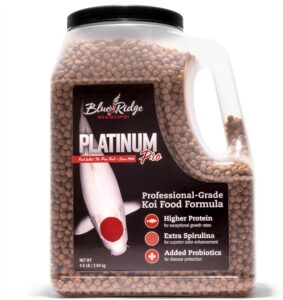
Blue Ridge Koi Fish Food 4.5lb R…
From the brand Shop All Blue Ridge Koi Shop All Blue Ridge Koi Is Discontinued By…

AQQA LED Aquarium Light for Plants,…
Product description Introduction of Controller Functions 1 3 Light Color Options 2 10 Levels Brightness Simulate…
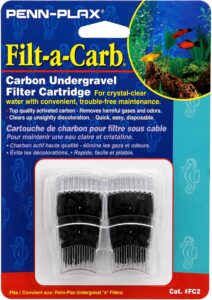
Penn-Plax Replacement Media (2 Pack…
REPLACEMENT FILTER MEDIA: These Cartridges are made to fit the lift tubes of Muti-Pore and Undergravel…
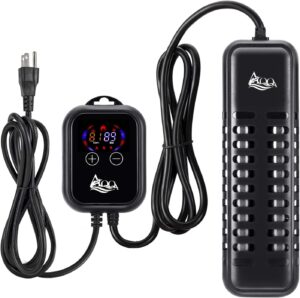
AQQA Submersible Aquarium Heater,10…
From the brand More product from AQQA More product from AQQA More product from AQQA More…
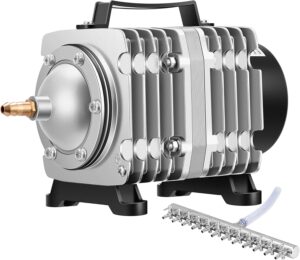
VIVOSUN Commercial Air Pump for Aqu…
Premium Materials: This pump dissipates heat more effectively with aluminum alloy heat-radiating plates and delivers excellent,…

Carefree Fish Aquarium Super Powerf…
From the brand Founded in 2019 We want to be carefree fish. Embrace Aquatic Tranquilty We…
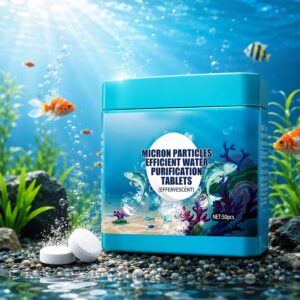
High-Efficiency Aquarium Water Puri…
Product description Package Dimensions : 2 x 2 x 2 inches; 4.23 ounces Item…
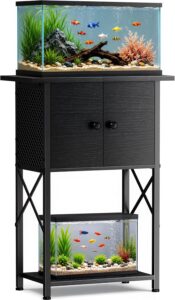
10 Gallon Fish Tank Stand with Stor…
“For anyone who treats their fish tank or reptile tank like more than a “container”who sees…