
How to Help a Dog Adjust to a New Home
Bringing a dog into a new home is exciting, but the first days set the tone for long-term behavior and wellbeing. A calm, consistent approach reduces stress for your dog and for everyone in the household.
This guide gives practical steps you can use from day one through the first few months: preparing the space, managing introductions, setting routines, and handling common challenges in a trustworthy, no-nonsense way.
Prepare the house before the move
Before your dog arrives, walk through the home from their perspective. Block off unsafe areas, stash small items, and set up a primary “den” with a bed, water bowl, and a few toys. If you own other small-pet enclosures, ensure they’re secure — an escape-proof, sturdy cage reduces risk during introductions and prevents accidental scares. Consider investing in a reliable small-pet enclosure if you don’t already have one: Hamster Cages are an example of secure housing options designed to keep smaller animals safe while you manage multi-pet introductions.
Arrival day: calm transport and first minutes
Transport and the first minutes at home should be low-key. Use quiet voices, avoid crowding the dog, and place them in their prepared den rather than letting them explore full-throttle. If you’re also bringing other small pets home the same day, keep their carriers closed and separate while the dog settles — specialized carriers make moving smaller companions safer and less stressful: Bird Carrier, Portable Small Bird works well for safe, short-distance transport of birds and other tiny pets during busy move days.
Create a secure, predictable home base
Dogs adapt faster when they have a consistent, quiet place to retreat. Place their bed away from heavy foot traffic and loud appliances. If you share the home with guinea pigs or other prey animals, provide those animals with immediate hiding places so they can avoid stress during the initial adjustment period. Guinea pigs especially need safe spots to hide when a new dog is being introduced; setting up several options helps everyone feel secure: Guinea Pig Hideouts.
Introduce your dog to birds carefully
Birds can be particularly sensitive to dogs’ size and movement. Keep the bird in a secure, closed cage and have the dog on a leash for initial supervised visits. Maintain distance and reward calm behavior. It’s important the bird’s grooming, health, and stress are monitored—good care tools help minimize additional stressors for the bird when a dog is new to the home: Pet Bird Grooming Supplies can support routine maintenance that makes the bird more resilient during introductions.
Introduce your dog to small mammals (guinea pigs, hamsters)
Small mammals perceive dogs as predators. Keep them separated during early days and use barrier methods—closed doors or playpens—until your dog consistently ignores the enclosure. Ensure small pets have comfortable bedding and multiple escape routes in their habitat; this reduces stress which can lead to illness. High-quality bedding tailored for guinea pigs helps maintain health and comfort while your dog learns boundaries: Guinea Pig Bedding.
If you need to move small pets for cleaning or supervised visits, use carriers designed for safe handling. Secure travel carriers reduce the chance of escapes and make short supervised interactions easier to manage: Hamster Travel Carriers are useful examples for safely transporting small animals during the transition period.
Introduce your dog to reptiles with caution
Reptiles require stable environments and should never be exposed to a dog’s unsupervised curiosity. Keep reptile enclosures locked and out of the dog’s reach. When supervised viewing is appropriate, maintain a significant distance and keep sessions short to avoid stressing the reptile. If you manage reptile habitats, make sure accessories and security are robust—specialized equipment helps protect both animals: Reptile Habitat Accessories.
Set routines: feeding, walks, training
Routine is the single best tool to help a dog settle. Consistent feeding times, regular walks, and short training sessions build predictability. Use positive reinforcement: reward calm behavior and brief eye contact before giving food or attention. If mobility or joint comfort affects activity levels, talk to your veterinarian about supportive nutrition or supplements. For dogs with joint concerns or older dogs, targeted supplements can support mobility as they adapt to new routines—ask your vet about options such as The Missing Link Hip & Joint + Probiotics and follow professional guidance.
Recognize and reduce stress signals
Look for signs of stress: panting, yawning, lip licking, pacing, refusing food, or hiding. When you see these, shorten social interactions, return to the dog’s den, and try a calm activity like a short walk or gentle play. Avoid punishing fearful behavior — it increases anxiety and can set back progress. Instead, use counter-conditioning (pairing mild stressors with high-value rewards) to change the dog’s emotional response over time.
Checklist: first two weeks
- Designate and set up a quiet den area with bedding and water.
- Child- and small-pet-proof the home; secure cages and enclosures.
- Keep initial greetings calm, with leash control and short sessions.
- Establish consistent feeding, walk, and sleep times daily.
- Schedule a vet check within the first week (records, shots, health screen).
- Monitor for stress signs and intervene early with soothing activities.
- Provide hiding spots and secure enclosures for birds, guinea pigs, and reptiles.
FAQ
- How long does adjustment take? Most dogs start to settle in two to six weeks, but full confidence and routine may take a few months depending on age, background, and previous experiences.
- When should I introduce the dog to other household pets? Wait until your dog is calm in the new home—usually several days. Start with brief, supervised visual introductions, then progress slowly to controlled interactions.
- What if my dog barks at or chases small pets? Interrupt safely, redirect to a command the dog knows, and reward calm behavior. Increase distance and use barriers until the dog can reliably remain calm near the other pet.
- Should I use calming supplements or pheromones? Some dogs benefit from pheromone diffusers or vet-recommended supplements. Always consult your veterinarian before starting supplements and follow dosing guidance.
- How do I know if my dog is stressed enough to need professional help? Prolonged refusal to eat, severe destructive behavior, aggression, or persistent anxiety are reasons to consult a trainer or behaviorist.
Conclusion
Helping a dog adjust to a new home is about predictable routines, safe spaces, slow introductions, and consistent positive reinforcement. Small, steady steps protect all animals in the household and build a relaxed, confident dog over time.
Products Featured in This Article

The Missing Link Hip & Joint +…
Product description Get ready for longer walks and happy play time. We all know how it…
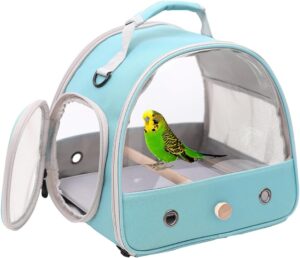
Bird Carrier, Portable Small Bird P…
Product description Bird travel carrier for parakeet, parrot, cockatiel, conure and budgies small birds Vet visit…