

How to Keep Your Pet Mentally Stimulated at Home
Mental stimulation is as important as physical care for pets. Boredom can cause destructive behavior, stress, and reduced well-being — whether you have a hamster, guinea pig, or a reptile. This guide gives practical, reliable strategies you can apply at home to keep your companion curious, active, and happy.
Below you’ll find clear methods organized by type of enrichment, species-specific tips, simple DIY ideas, a quick checklist, and an FAQ to answer common concerns. Use what fits your pet’s size, species, and temperament, and rotate approaches so enrichment stays interesting.
Why mental stimulation matters
Mental stimulation helps pets use natural behaviors: foraging, exploring, problem-solving, and socializing. When pets can express these behaviors, they experience lower stress and higher overall welfare. Even short, daily enrichment sessions can reduce pacing, over-grooming, and destructive chewing. Think of enrichment as essential care, not optional entertainment.
Design a changing environment
Small changes create big mental impact. Rearranging safe décor, adding new textures, and modifying hideouts twice a week keeps the environment novel. For reptiles, that might mean different branches, hides, or background features to explore; specialist options can help you outfit a vivarium appropriately: Reptile Habitat Accessories.
Food-based enrichment: foraging and puzzles
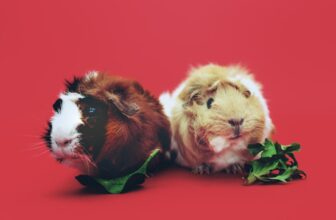
Let pets work for part of their food. For herbivores like guinea pigs, scattering hay in different locations, stuffing it in cardboard tubes, or tucking small treats inside promotes natural foraging and chewing behaviors. High-quality hay is central to this, so keep fresh supplies and vary presentation: Guinea Pig Hay.
Toys, rotation, and safe DIY options
Toys should challenge and invite interaction. Rotate toys every few days so they don’t lose novelty. For guinea pigs, provide chewable and problem-solving items made from safe materials; choose toys that encourage pushing, pulling, or moving pieces to find a reward: Guinea Pig Toys.
Hideouts, shelters, and safe retreats
Having secure spaces reduces stress and encourages exploration when pets come out on their own terms. Provide multiple hideouts at different locations and heights (for small mammals, ensure low thresholds). For guinea pigs, a variety of hideouts helps each animal choose a comfort level and curiosity point: Guinea Pig Hideouts.
Hamster-specific strategies
Hamsters benefit from vertical complexity, tunnels, and opportunities to run. A well-sized running device is crucial for physical and mental health; pick an appropriate wheel that fits your hamster’s size and running style: Hamster Exercise Wheels. Avoid wheels with gaps or unsafe materials.
Toys that squeak, roll, or require manipulation keep hamsters engaged. Offer multiple toy types and swap them to renew interest. Browse a range of toys designed for safe gnawing, nesting, and puzzle play: Hamster Toys.
Training, treats, and positive interaction
Short training sessions (2–5 minutes) using low-calorie rewards improve cognition and your bond. Use clicking or consistent cues for simple tricks like “come,” “stand,” or “target.” For treat-based puzzles or training rewards, choose species-appropriate options that are small and infrequent; hamsters respond quickly to tasty incentives: Hamster Treats.
Reptile enrichment: sensory and feeding challenges
Reptiles benefit from environmental complexity and feeding variety. Changing basking spots, offering climbing structures, and providing live or motion-based feeding opportunities (when appropriate) stimulate hunting instincts. For insectivores and omnivores, quality treats and supplemental feeders offer variety — for example, protein-rich grub treats that motivate natural foraging behaviors: Fluker’s Grub Bag All Natural Calciified Mealworms. Always follow species-specific feeding guidelines.
Rotate textures, scents, and activities
Introduce new, safe textures (paper, untreated wood, wicker), mild new scents (brief exposure to a cloth with a vegetable scent), or different lighting schedules within safe limits. Rotating bedding types and hiding places keeps exploration fresh. For small rodents, changing bedding depth and structure creates digging and tunneling opportunities; consider variety appropriate for your species.
Monitoring, safety, and pacing
Introduce new items slowly and watch for signs of stress: hiding, refusal to eat, aggression, or repetitive behaviors. Remove items that cause persistent stress, and avoid anything with loose strings, small detachable parts, or toxic materials. Regularly inspect toys, wheels, and hides for wear and safe function.
- Offer multiple short enrichment sessions each day rather than one long session.
- Rotate one or two items every 3–7 days to keep novelty without overwhelming your pet.
- Use food puzzles or scattering to lengthen mealtime for herbivores and omnivores.
- Provide secure hideouts and a predictable routine so pets feel safe to explore.
- Monitor interactions and remove items that cause stress or pose hazards.
Quick species-specific supply notes
Guinea pigs need constant access to hay, chewable toys, and multiple hiding spots to feel secure; ensure bedding and grooming are part of routine care. For hamsters, prioritize wheels, chew-safe toys, and varied nesting materials. Reptiles often require habitat variation, humidity control, and feeding items that mimic natural prey. Thoughtful supplies tailored to the species make implementing enrichment straightforward.
FAQ
Q: How often should I rotate toys?
A: Rotate one or two items every 3–7 days. Keep a few familiar items in place and swap others to maintain novelty.
Q: Can I use human toys or household items?
A: Only if they are non-toxic, cannot be swallowed, have no small parts or strings, and are sized appropriately. Cardboard tubes, untreated wood, and paper can be safe options when supervised.
Q: How do I introduce a new enrichment item safely?
A: Offer it during a calm time, place it where your pet can approach on their own, and watch for stress signals for 10–15 minutes. Remove if the pet becomes distressed.
Q: My pet ignores new toys. What next?
A: Pair the toy with a favorite treat or scatter food around it so the pet discovers it while foraging. Try a different material or type of challenge — some pets prefer chew tasks, others like puzzles.
Q: Are loud toys good for small mammals?
A: Loud or high-frequency noises can be stressful. Choose toys that make gentle sounds or require manipulation rather than noisy electronics.
Q: How do I know enrichment is working?
A: Look for increased exploratory behavior, varied body language, reduced repetitive behaviors, and willingness to engage with new items. Improved appetite and calmer resting are also positive signs.
Conclusion
Mental enrichment is a practical, ongoing part of good pet care. Use small, consistent changes: vary food presentation, rotate toys and hides, offer species-appropriate challenges, and monitor responses. Start with one new idea this week and build a rotation plan — your pet’s behavior will show when you’ve hit the right balance.
Products Featured in This Article

Fluker’s Grub Bag All Natural Cal…
Fluker’s Grub Bag All Natural Calcium Fortified Mealworm Treats, Packed with Protein, Rich in Nutrients, A…