
Hot weather affects pets differently than humans. High temperatures, direct sun and poor ventilation can quickly turn a pleasant day into a dangerous situation for dogs, cats, small mammals, reptiles, fish and livestock. Knowing what to watch for and taking a few practical steps can prevent heat-related stress and keep pets comfortable all summer.
This guide breaks down clear, actionable advice for common pet types, what supplies to prepare, and simple emergency steps if a pet overheats. Use the sections below to build a quick, pet-specific plan that fits your household.
Why hot weather is dangerous for pets
Pets lose heat differently than people. Dogs pant, some mammals can’t sweat effectively, and reptiles depend on environmental temperatures. Heat can cause dehydration, heat exhaustion and heatstroke. Watch for heavy panting, drooling, lethargy, unsteady gait, vomiting, glazed eyes or collapse. Early recognition and prompt cooling are the keys to preventing severe outcomes.
Dogs and cats: day-to-day precautions
Keep walks early or late when temperatures are cooler and avoid asphalt that burns paw pads. Provide constant access to shade and fresh, cool water. Never leave pets in a parked car—even a few minutes can be dangerous. Trim excess fur for long-coated breeds, but avoid shaving too short; consult your groomer or vet for breed-appropriate recommendations.
When exercising, monitor effort and pulse; shorten sessions on hot days and opt for indoor play when it’s very hot.
Guinea pigs and other small mammals: create cool, shaded zones
Small mammals overheat quickly because of their size. Keep cages out of direct sun, provide shaded hideouts and elevate housing off hot surfaces. Ensure constant airflow without exposing them to drafts from strong fans. A well-placed hideout helps them retreat from bright heat and find a cooler spot.
Consider providing a sturdy, breathable shelter such as Guinea Pig Hideouts so they have a cool retreat within their enclosure.
Hamsters and gerbils: bedding and cage setup for cooler nights
Cages for tiny pets should have good ventilation and a cooler sleeping area. Use breathable bedding that doesn’t trap heat, keep wheels and toys positioned where airflow is best, and avoid placing cages near direct sunlight or heat sources. Check water bottles several times a day during heat waves—small pets can dehydrate fast.
Choose an appropriate bedding option like Hamster Bedding designed for airflow and comfort to help regulate cage temperature.
Supplies to prepare for small-pet care during heat
Stock up on cooling-friendly diet and habitat items so you don’t have to improvise when temperatures spike. Fresh hay, cooling hideouts and breathable bedding all make a difference. Rotate and refresh supply items frequently to avoid damp, warm spots that can harbor bacteria.
Keep readily available supplies such as quality forage—it helps maintain hydration and digestion—by having options like Guinea Pig Hay on hand. Also ensure you have breathable substrate choices; for example, Guinea Pig Bedding that’s absorbent and promotes airflow will reduce heat retention in enclosures.
Reptiles and amphibians: control temperatures and humidity
Reptiles rely on external heat to regulate body temperature. In high ambient temperatures, they may overheat if enclosures are in direct sun or too close to heat sources. Provide a thermal gradient—cool and warm zones—so the animal can move to a comfortable spot. Always monitor enclosure temps with accurate thermometers and set timers for heating elements.
Choose appropriate habitats and fixtures so you can control microclimates effectively; for enclosure solutions see Reptile Terrariums tailored to proper ventilation and layout.
Fish and aquariums: oxygen, shade and monitoring water temperature
Warmer water holds less oxygen, stressing fish. Reduce lighting intensity, add surface agitation and aeration and keep tanks out of direct sunlight. Use thermometer monitoring and, if necessary, use fans directed at the water surface or a chiller for sensitive collections. Regular maintenance is more important in summer—perform partial water changes to stabilize conditions.
Adding reliable aeration can be an inexpensive, effective step—consider equipment such as the VIVOSUN Commercial Air Pump for Aquariums to boost oxygen levels during hot spells.
Horses and large animals: shade, water and protective gear
Horses need unrestricted access to shade and cool water. Adjust turnout schedules, avoid riding during peak heat, and monitor for signs of dehydration or heat stress. Use breathable fly sheets and protective gear that help deflect sun and promote airflow. Electrolyte support can help during heavy sweating; discuss appropriate products and dosing with your vet.
For sun and fly protection that still allows airflow, consider items like the Gallopof Horse Fly Sheet with a detachable neck for coverage without trapping excessive heat.
Transport, evacuation and emergency cooling
If you must move a pet during a heat wave, plan for ventilation, water access and shade. Use carriers that allow air flow, avoid long stints in cars and stop frequently to check on animals. Have cooling supplies on hand: damp towels, portable fans, and a list of nearby veterinary clinics. For small-to-medium pets, use an approved travel carrier that keeps them protected and ventilated while you move them to a cooler location.
Keep a reliable carrier ready—items like Rabbit Travel Carriers are designed with ventilation and secure transport in mind and can also be used for other small animals in an emergency.
Quick checklist: summer pet safety essentials
- Plenty of fresh, cool water available at all times
- Shaded areas and well-ventilated housing for every pet
- Cooling options: damp towels, fans, frozen water bottles wrapped in cloth
- Updated emergency contact list (vet, emergency clinic, animal control)
- Species-appropriate supplies on hand: breathable bedding, hideouts, hay, aeration
- Plan for safe transport and a ventilated carrier in case of evacuation
FAQ
- Q: How quickly can heatstroke develop in pets?
A: It can develop in minutes under extreme conditions; watch for early signs (heavy panting, drooling, weakness) and cool a pet gradually while seeking veterinary care. - Q: Are frozen water bottles safe to use for cooling?
A: Yes—wrapped frozen bottles can provide convective cooling and a cool surface to lean on. Don’t apply ice directly to skin and avoid extreme temperature changes. - Q: How often should I check small pets’ water during a heat wave?
A: Check multiple times daily; small animals and birds can dehydrate quickly, so refresh or replace water at least twice daily or more if they appear thirsty. - Q: Can I leave a fan on near my pet overnight?
A: Fans can help airflow but shouldn’t blow strongly on a pet or create drafts that can cause stress; position for gentle air movement and ensure safety around cages and water. - Q: What’s a safe immediate cooling step if my pet is overheating?
A: Move them to shade or an air-conditioned space, offer cool (not ice-cold) water, apply damp cool towels to the neck and groin, and contact a veterinarian promptly.
Practical takeaway: prepare species-specific cooling plans in advance—shade, fresh water, breathable housing and one or two cooling tools (fans, frozen bottle, aerator) reduce risk significantly. Regular monitoring and quick action at the first signs of heat stress are the best ways to keep pets safe all summer.
Products Featured in This Article
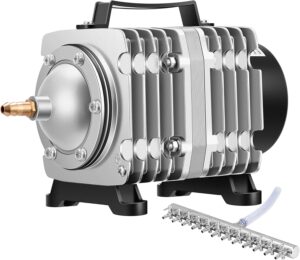
VIVOSUN Commercial Air Pump for Aqu…
Premium Materials: This pump dissipates heat more effectively with aluminum alloy heat-radiating plates and delivers excellent,…